Architecting Timeless Cape Cod Homes: Design Insights and Expansion Ideas
Understanding Cape Cod Homes
Defining Characteristics of Cape Cod Homes
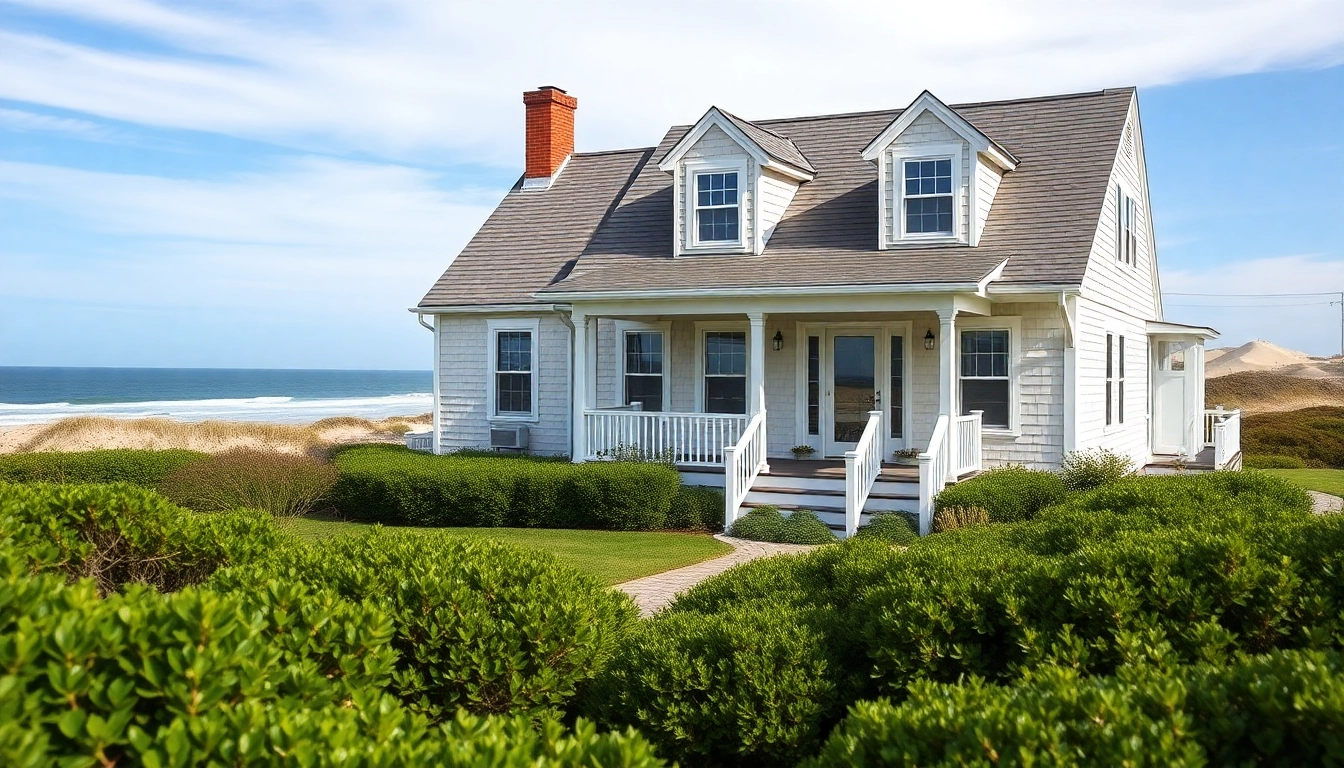
Cape Cod homes are a distinctive style of architecture known for their simple, charming design and practical features. Typically, they feature steep, symmetrical roofs, dormer windows, and shingle siding made from cedar or pine. These elements not only contribute to their aesthetic appeal but also serve a functional purpose, allowing for effective water runoff in stormy weather. Their compact structure and predominantly one or one-and-a-half stories maximize living space while minimizing heating costs, making them a practical choice for coastal regions.
Historical Background and Evolution
The Cape Cod architectural style originated in the 17th century, drawing inspiration from the homes of early American settlers. These homes were designed to withstand the harsh New England winters, utilizing a straightforward form with durable materials. Over time, the design has evolved, incorporating elements that reflect the lifestyle changes of its inhabitants, while maintaining its timeless charm. As the need for larger living spaces emerged, adaptations like expanded floor plans and contemporary materials began to emerge, allowing Cape Cod homes to remain relevant even today.
Modern Designs and Innovations
In recent years, modern Cape Cod homes have taken on innovative designs while respecting traditional elements. Architects and homeowners are now focusing on sustainable building practices, utilizing eco-friendly materials and energy-efficient technologies. Innovative designs such as open floor plans, larger windows for natural light, and integrated smart home features meld seamlessly with the classic aesthetics, blending tradition with modern functionalities. This evolution allows Cape Cod homes to cater not only to style preferences but also to contemporary living standards.
Popular Features in Cape Cod Homes
Classic Design Elements
Key design elements define the charm of Cape Cod homes. Aside from the steep roofs and dormers, these homes often showcase symmetrical facades, central chimneys, and shingle siding. Many also include charming front porches that provide a welcoming entrance. Inside, you’ll find vaulted ceilings and natural wood finishes that enhance the cozy atmosphere. These classic elements evoke a sense of warmth and nostalgia that resonates with many homeowners.
Interior Layouts for Cape Cod Homes
Traditionally, Cape Cod homes feature compact, efficient layouts that prioritize functionality while retaining a warm aesthetic. Common layouts include open concept living spaces that connect kitchen, dining, and living areas, which encourage interaction and make the home feel larger. Bedrooms are often located on the second floor, allowing for added privacy. Incorporating nooks and crannies as cozy reading areas or at-home offices utilizes every available space effectively.
Outdoor Spaces: Porches and Gardens
Outdoor spaces are essential to the Cape Cod home experience, with porches and well-planned gardens serving as extensions of the living area. Front porches often encourage outdoor gatherings and social interaction, while backyard gardens allow homeowners to connect with nature and enhance the property’s aesthetic appeal. Incorporating native plants can create a peaceful retreat that harmonizes with the coastal environment.
Planning Your Cape Cod Home Expansion
Common Expansion Strategies
When considering an expansion for a Cape Cod home, several strategies can be effective. Common approaches include adding a second story, extending the footprint of the home, or incorporating a functional addition such as a garage or sunroom. Each option comes with its own set of benefits and challenges. Elevating functionality while preserving the home’s character is crucial during the planning process, making an architect’s expertise paramount.
Things to Consider Before Expanding
Before moving forward with an expansion, it’s important to consider various factors, such as local building codes, the impact on property value, and how the expansion will integrate with the existing structure. Assessing the surrounding environment, including neighbors’ views and landscape aesthetics, can influence decisions. Moreover, setting a clear budget will help manage expectations and ensure that the project remains feasible.
Maximizing Space and Functionality
Effective space planning is key to any successful expansion of Cape Cod homes. Incorporating multi-functional spaces, such as a guest bedroom that doubles as a home office, can maximize the utility of the new area. Additionally, using built-in storage solutions can minimize clutter and emphasize the home’s functionality. Careful attention to layout and design can result in an expanded home that feels coherent and well-planned.
Design Inspiration for New Cape Cod Homes
Incorporating Coastal Themes
When designing a new Cape Cod home, infusing coastal themes is essential for capturing the essence of the region. Palettes involving blues, whites, and sandy neutrals reflect the surrounding environment. Nautical motifs, such as marine artwork or driftwood accents, can bring the seaside indoors. Large windows that frame picturesque views of the ocean further evoke a sense of coastal living that many homeowners cherish.
Eco-Friendly Design Practices
Incorporating eco-friendly design practices is increasingly important in modern construction. Sustainable materials, energy-efficient lighting, and advanced insulation techniques not only reduce environmental impact but also enhance energy savings. Incorporating renewable energy sources, such as solar panels, can also be an effective way to align the home’s operations with eco-friendly standards, making it a smart choice for conscious homeowners.
Balancing Tradition and Modernity
Achieving the perfect balance between traditional aesthetics and modern functionality is crucial in crafting new Cape Cod homes. Architects often emphasize classic features—such as wood siding and traditional shingle roofs—while integrating contemporary layouts and open spaces. This fusion maintains the charm of Cape Cod while allowing for a comfortable, modern lifestyle that meets current housing demands.
FAQs about Cape Cod Homes
What defines a Cape Cod home?
A Cape Cod home typically features steep roofs, dormer windows, and shingle siding, embodying a quaint coastal style.
Are Cape Cod homes energy-efficient?
Many Cape Cod homes can be designed for energy efficiency using modern materials and insulation techniques.
What are the common interior styles in Cape Cod homes?
Interiors often boast a rustic yet cozy vibe with nautical themes, natural wood accents, and light color palettes.
How to maintain a Cape Cod home?
Regular inspections, roof maintenance, and timely painting can keep your Cape Cod home in excellent condition.
Can I modernize a Cape Cod home?
Yes, you can modernize features while maintaining classic characteristics, blending old and new aesthetics.
Whether you’re drawn to the classic charm of cape cod homes or are planning an innovative expansion, understanding their unique features and rich history will enhance your appreciation of this architectural style.