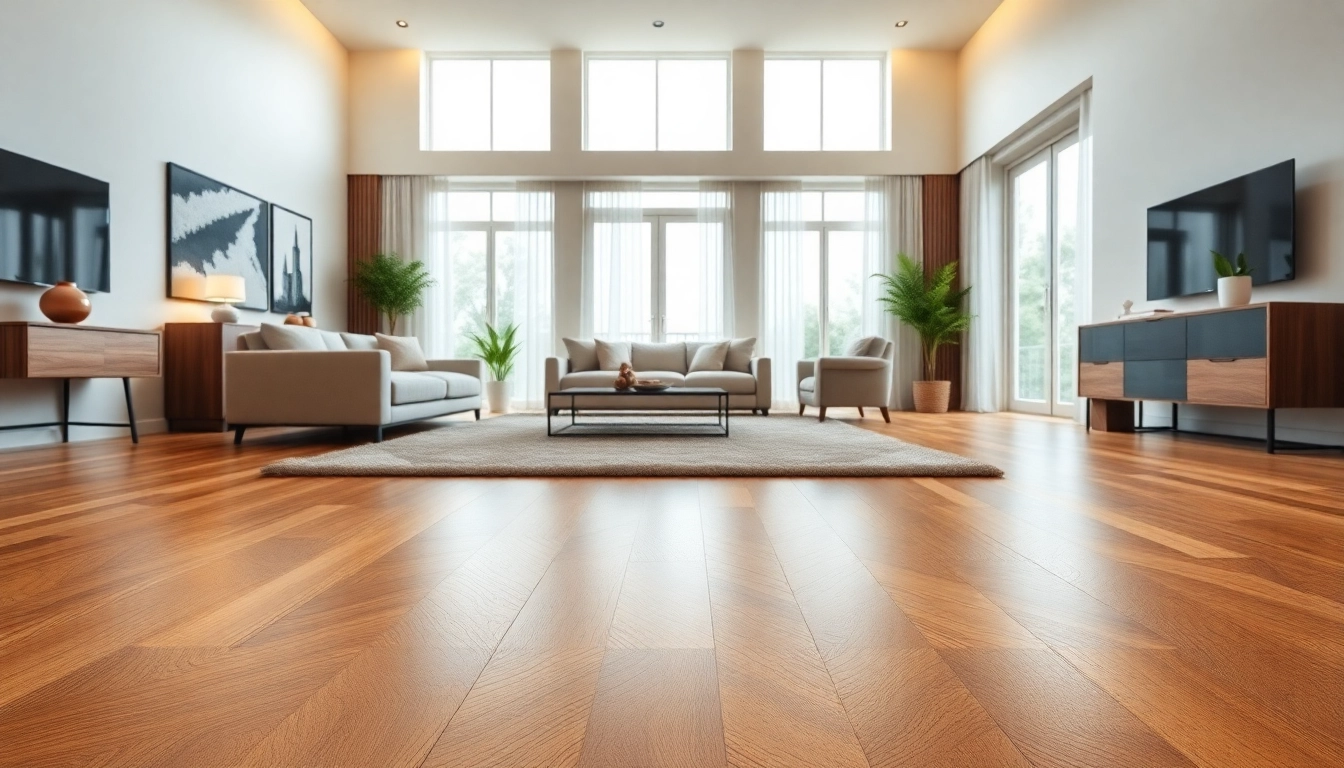
Transform Your Space with Stunning LVP Floors: Style and Benefits
Understanding LVP Floors
What Are LVP Floors?
Luxury Vinyl Plank (LVP) floors represent a modern flooring solution renowned for their aesthetic appeal and functional benefits. Comprising several layers, including a wear layer, a design layer, and a backing layer, LVP floors mimic the appearance of natural materials such as wood and stone while providing superior durability. This innovative flooring option is engineered for resilience, making it a popular choice for homeowners and businesses alike. Whether you’re aiming for the elegance of hardwood or the rugged charm of stone, lvp floors offer a versatile and cost-effective alternative.
The Benefits of Choosing LVP Floors
LVP floors come with a plethora of advantages that make them an excellent choice for various environments:
- Durability: LVP floors are highly resistant to scratches, dents, and stains, making them ideal for high-traffic areas.
- Waterproof: Many LVP products are waterproof, making them suitable for bathrooms, kitchens, and basements.
- Easy Installation: With DIY-friendly installation options such as click-lock connections, homeowners can easily install LVP floors themselves without specialized tools.
- Comfort: The construction of LVP floors offers a softer feel underfoot compared to traditional hardwood floors, adding comfort especially in living spaces.
- Low Maintenance: Regular sweeping and occasional mopping are all that’s needed to keep LVP floors looking great.
Common Misconceptions About LVP Floors
Despite its growing popularity, some misconceptions about LVP floors persist:
- They are not eco-friendly: Many LVP manufacturers produce their products with recycled materials and are committed to sustainable practices.
- LVP floors look cheap: Advances in technology have allowed for realistic textures and finishes that can imitate high-end wood and stone flooring.
- They feel unnatural: High-quality LVP floors are designed with comfort in mind and often include cushioning layers for enhanced comfort.
Choosing the Right Style for Your Home
Design Options for LVP Floors
One of the standout features of LVP flooring is its wide range of design options, allowing homeowners to curate a look that matches their personal style:
- Wood-Look: Available in various wood species, plank widths, and finishes, wood-look LVP can provide the warmth of natural wood without the upkeep.
- Stone-Look: Capturing the essence of stone flooring, options can resemble everything from slate to marble, ideal for modern spaces.
- Geometric Patterns: For a contemporary twist, LVP is available in geometric shapes and unique patterns that can become a focal point in any room.
Color and Texture Considerations
When selecting LVP floors, color and texture are crucial elements that influence the overall atmosphere of your space:
- Color Choices: LVP comes in a spectrum of colors. Light tones can brighten a room, while dark tones may add depth and warmth.
- Textured Finishes: Textures range from smooth to embossed, offering tactile variety and depth that contribute to the authenticity of the look.
Matching LVP Floors with Decor
Integrating your LVP floors with existing decor can enhance the appeal of your home:
For modern designs, consider sleek gray or white wood-look LVP options that complement minimalist furniture. In more traditional settings, warmer tones that resemble oak or walnut can add to the charming aesthetic. It is essential to coordinate the flooring color with wall colors and furniture styles to achieve a cohesive interior design.
Installation Process of LVP Floors
Preparation Steps Before Installation
Proper preparation is key to a successful LVP installation. Here are steps to follow:
- Acclimate the Planks: Allow the LVP planks to acclimate to the room temperature for at least 48 hours.
- Clean the Subfloor: The subfloor must be clean, dry, and smooth because any imperfections can affect the final outcome.
- Underlayment Considerations: Depending on the type of LVP, an underlayment may be required for soundproofing or moisture barriers.
Methods of Installing LVP Floors
There are several installation methods for LVP, including:
- Glue-Down Installation: Ideal for high-traffic areas, this method adheres the planks directly to the subfloor.
- Float Installation: Planks are connected through a click-lock mechanism and float above the subfloor without any adhesive.
- Click-Lock Installation: Easiest for DIYers, it requires no glue or nails and allows for easy plank replacement if damage occurs.
DIY Installation vs. Professional Help
Whether to tackle installation yourself or hire a professional depends on your skill level and the project scope:
DIY installation is cost-effective and manageable for those with basic handyman skills, while professionals can provide expertise, ensure proper installation, and save time. Assess your comfort level with tools, the complexity of your layout, and your available time before deciding.
Maintenance Tips for Longevity
Cleaning Techniques for LVP Floors
Maintaining the beauty of LVP floors involves regular cleaning:
Begin with frequent sweeping or vacuuming using a soft-bristle attachment to remove dust and debris. For deeper cleaning, mop with a mixture of warm water and a manufacturer-recommended cleaner. Avoid harsh chemicals or excessive water that could harm your flooring.
Preventing Damage and Wear
Preventative measures can extend the life of your LVP floors:
- Use Protectors: Adding felt pads under furniture can help prevent scratches.
- Avoid High Heels: Shoes with stiletto heels can dent your flooring, so it’s wise to have a shoe-free home policy.
Long-term Care Best Practices
Besides regular cleaning, consider these long-term care tips for optimal results:
- Periodic Deep Cleaning: Schedule a deep clean every few months to maintain appearance.
- Regular Inspections: Check for any signs of wear, damage, or moisture issues that might need immediate attention.
FAQs About LVP Floors
What Is the Lifespan of LVP Floors?
LVP floors can last 20 to 30 years or more with proper care, significantly longer than many other flooring options.
Are LVP Floors Waterproof?
Most LVP floors are waterproof, making them ideal for kitchens, bathrooms, and basements where moisture is prevalent.
Can I Install LVP Floors Over Existing Flooring?
Yes, LVP floors can often be installed over existing flooring, given that it is level, clean, and stable. Always consult manufacturer guidelines.
How Do I Repair Scratched LVP Floors?
Minor scratches can be repaired with a marker designed for vinyl flooring, while deeper scratches may require replacement planks or a vinyl repair kit.
What Are the Best Cleaning Products for LVP Floors?
Use a gentle cleaner specifically designed for vinyl floors to avoid damaging the finish. Avoid excess water and harsh chemicals.