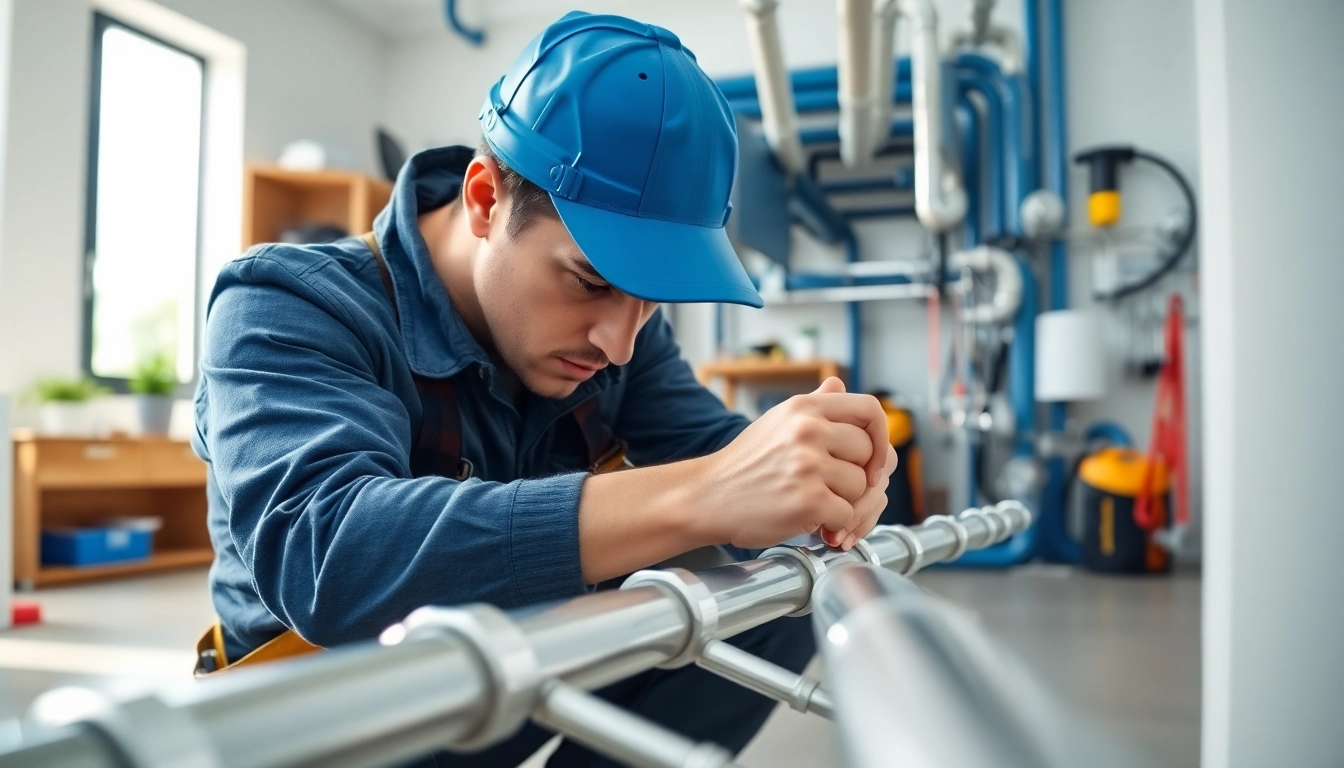
Dependable Whole House Repiping Services St Petersburg FL for Your Home Needs
Understanding Whole House Repiping
What Is Whole House Repiping?
Whole house repiping is the comprehensive replacement of all the plumbing pipes within your home. This process is necessary when the existing pipes have deteriorated due to age, corrosion, or damage. Repiping often involves replacing pipes made from outdated or problematic materials, ensuring that your plumbing system operates safely and efficiently. Utilizing whole house repiping services St Petersburg FL helps to restore optimal water flow and prevent future plumbing issues.
Signs You Need Repiping
Several indicators suggest that your home may need repiping. If you frequently experience low water pressure, discolored or rusty water, or ongoing leaks, it might be time to consider repiping. Other signs include the presence of water stains on walls or ceilings, an unexplainable spike in water bills, and visible corrosion on exposed pipes. These issues often signal that the integrity of your current plumbing system is compromised, necessitating immediate attention.
Benefits of Whole House Repiping
Investing in whole house repiping offers numerous benefits. Primarily, it leads to improved water quality and flow throughout your home. Newer materials used for repiping are resistant to corrosion and other forms of damage, ensuring a longer lifespan for your plumbing system. Repiping also enhances the overall efficiency of your home, potentially reducing energy costs associated with heating water. Furthermore, it can increase your property’s value, making it a worthwhile investment for the long-term.
Choosing the Right Materials
Copper vs. PVC: Which Is Better?
When it comes to repiping, homeowners often face a decision between copper and PVC (polyvinyl chloride) pipes. Copper is known for its durability and longevity, often lasting 50 years or more. However, it comes with a higher upfront cost and is susceptible to freezing in colder climates. On the other hand, PVC pipes are resistant to corrosion and can be more cost-effective, but they may not last as long as copper. Understanding the pros and cons of each material is essential in making an informed decision for your home.
Durability and Cost Considerations
Durability is a critical factor in choosing repiping materials. Copper, while more expensive, offers longevity and low maintenance. PVC is less costly but can be prone to damage and may need replacement sooner. Homeowners should weigh the initial investment against the long-term benefits when selecting pipes. Depending on the specific needs of the house, a combination of materials may also be a suitable approach, using copper for high-stress areas and PVC for less critical applications.
Environmentally Friendly Options
For environmentally conscious homeowners, selecting eco-friendly plumbing materials has become increasingly important. Eco-friendly options include PEX (cross-linked polyethylene), which is flexible, resistant to corrosion, and uses fewer natural resources during production. PEX can also save water during plumbing repairs and installation. Exploring environmentally friendly materials during the repiping process can contribute to sustainability while improving your home’s plumbing system.
The Repiping Process Explained
What to Expect During Installation
The repiping process typically begins with a thorough assessment of your current plumbing system. Once the necessary materials are chosen, the installation can take place over several days, depending on the size and complexity of the house. Plumbers will begin by shutting off the water supply and systematically removing old pipes. New pipes are then installed, often utilizing optimal configurations to enhance efficiency and flow.
Timing and Duration of Repiping
The duration of the repiping process varies based on several factors, including the size of the home, the complexity of the plumbing system, and the chosen materials. On average, a repiping project can take anywhere from 2 to 5 days. Homeowners should consult with their plumbing service provider for a more precise timeline based on their specific circumstances.
Post-Installation Inspections
After the repiping process is complete, plumbing professionals will conduct a series of inspections to ensure everything is functioning correctly. This involves checking for leaks, adequate water pressure, and confirming that all systems are operational. Homeowners should remain engaged during this phase, asking questions and ensuring they fully understand any new features in their plumbing system.
Finding the Best Repiping Service
Qualities to Look for in a Plumbing Service
When searching for the ideal plumbing service for repiping, certain qualities stand out. Look for licensed and insured professionals with a strong reputation for quality workmanship. Experience in whole house repiping specifically is crucial, along with a commitment to customer service. Transparent pricing and detailed estimates can also provide insights into a company’s reliability and professionalism.
Questions to Ask Your Plumber
Engaging in a dialogue with potential plumbers is essential. Key questions may include: What materials do you recommend for my project? Can you provide references from previous customers? What warranties do you offer on your work? How will you handle unexpected challenges during the project? This not only helps you understand their expertise but also builds trust between you and the service provider.
Customer Reviews and Recommendations
Customer feedback plays a significant role in selecting a plumbing service. Look for online reviews, testimonials, and direct recommendations from friends and family. Platforms such as Yelp or Google Reviews can provide insights into past customer experiences, helping you to make well-informed choices about your repiping project.
Costs and Financing Options
Understanding the Cost Breakdown
The cost of a whole house repiping project can vary widely based on factors such as the size of your home, the materials used, and the complexity of the plumbing system. On average, homeowners may expect to spend anywhere from $5,000 to $15,000. It’s vital to request a detailed estimate from your plumbing service, breaking down labor, materials, permits, and miscellaneous fees to ensure transparency in pricing.
Financing Your Repiping Project
Many plumbing services provide financing options to ease the financial burden of repiping. This may include payment plans or financing through third-party lenders, allowing homeowners to spread out the cost over time. Reviewing various financing options can help make this essential home upgrade more manageable without sacrificing quality.
Insurance and Warranties
Before committing to a plumbing service, clarify what insurance and warranty options are available. Many reliable plumbing companies offer warranties on their workmanship and materials, providing peace of mind in the event of unforeseen issues. Additionally, check with your homeowner’s insurance policy to determine if repiping expenses could be covered, especially if prompted by significant plumbing failures.
FAQs
What is the average lifespan of repiping materials?
Copper pipes typically last 50 years or more, while PEX can last around 40 years. PVC has a shorter lifespan, usually around 25-40 years.
Does repiping increase home value?
Yes, repiping can significantly increase your home’s value by enhancing plumbing efficiency and reducing future maintenance concerns.
How disruptive is the repiping process?
The process can be disruptive, but experienced professionals work efficiently to minimize inconvenience. Most projects take 2 to 5 days.
Can I stay in my home during repiping?
In many cases, you can remain in your home. However, some water service interruptions may occur, and it’s good to prepare for those times.
Are there plumbing codes I need to consider?
Yes, plumbing codes vary by region, and reputable plumbing services will comply with all local regulations during the repiping process.