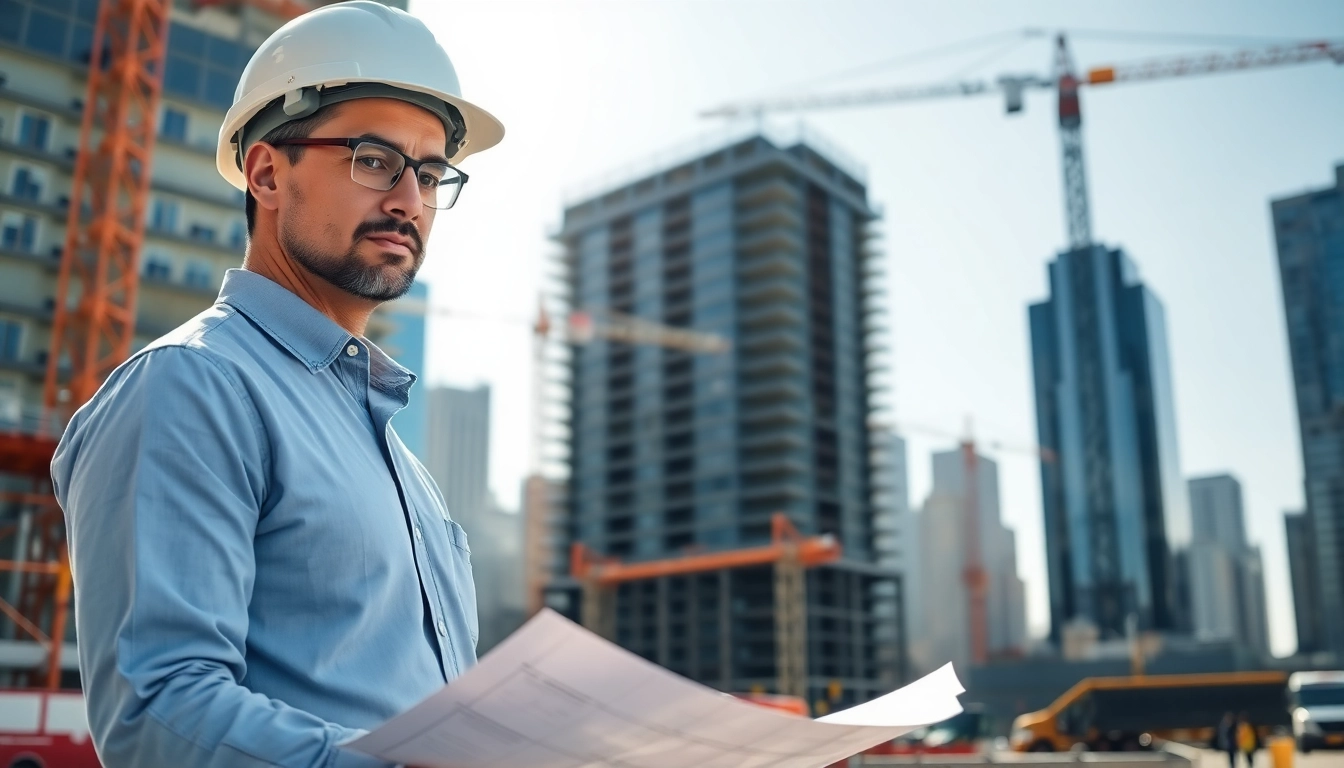
Essential Skills and Strategies of a Manhattan Construction Manager
Understanding the Role of a Manhattan Construction Manager
The role of a Manhattan Construction Manager is multifaceted and essential for the success of any construction project in New York City. Situated at the intersection of project management, scheduling, and on-site leadership, these professionals play a crucial role in ensuring that projects are completed on time, within budget, and to the required quality standards. Their work often involves collaborating with architects, engineers, contractors, and various stakeholders, making their ability to manage workflows and communications imperative.
Core Responsibilities of a Manhattan Construction Manager
The core responsibilities of a Manhattan Construction Manager encompass a wide range of tasks that ensure the project runs smoothly from conception to completion. Some of these responsibilities include:
- Project Planning: Developing detailed project plans, timelines, and budgets.
- Resource Management: Allocating resources effectively to maximize productivity.
- Supervision: Overseeing construction activities and ensuring adherence to plans and specifications.
- Collaboration: Coordinating with various stakeholders like architects, civil engineers, and contractors.
- Problem-Solving: Addressing issues that arise promptly to prevent project delays.
- Compliance: Ensuring that all work complies with local, state, and federal regulations.
Essential Skills for Effective Management
To excel as a Manhattan Construction Manager, one must possess a blend of hard and soft skills. Key skills include:
- Leadership: Leading teams effectively by motivating them and instilling a sense of accountability.
- Communication: Strong verbal and written communication skills to facilitate interaction with various parties.
- Technical Knowledge: A thorough understanding of construction processes, methods, and materials.
- Problem-Solving: The ability to identify problems quickly and devise effective solutions.
- Financial Acumen: Skills in budgeting and financial management to control costs.
Importance of Communication in Construction Management
Effective communication is the cornerstone of successful construction management. It allows for clear instructions, fosters collaboration, and ensures accountability among all involved. Regular meetings and updates can help to preemptively address issues and keep everyone aligned with the project goals. By utilizing collaborative tools and platforms, construction managers can streamline communication, making it more effective and reducing misunderstandings.
Best Practices in Project Management
Implementing best practices in project management can significantly enhance the effectiveness of a Manhattan Construction Manager. Here are some core strategies that should be adopted:
Strategies for Efficient Scheduling
Creating a comprehensive schedule is vital for the timely completion of construction projects. Key strategies include:
- Gantt Charts: Utilizing Gantt charts for visual representation of project timelines and dependencies.
- Critical Path Method (CPM): Identifying tasks that are crucial for timely project completion helps to prioritize efforts.
- Regular Updates: Adjusting the schedule based on progress and unforeseen delays keeps the project on track.
Budget Management Tips for Construction Projects
Maintaining a budget is critical in construction management. Here are some best practices:
- Detailed Estimation: Utilize detailed cost estimation techniques to avoid unforeseen expenses.
- Track Expenses: Implement a robust tracking system for expenses to ensure adherence to the budget.
- Regular Reviews: Conduct periodic budget reviews to identify any financial discrepancies and address them immediately.
Risk Assessment and Mitigation Techniques
Identifying and managing risks is crucial in construction projects. Techniques for risk assessment include:
- Risk Register: Create a risk register to document and prioritize potential risks.
- Mitigation Strategies: Develop strategies to minimize the impact of identified risks.
- Regular Reviews: Frequently review the risk management plan during project updates.
Tools and Technologies for Construction Managers
Modern construction management increasingly involves various tools and technologies that enhance productivity and workflow management. Key tools include:
Project Management Software Overview
Project management software is essential for tracking progress, resources, and communications throughout the project lifecycle. Popular software includes:
- Procore: Offers a comprehensive suite of tools for project management, including budgeting and scheduling.
- Buildertrend: Designed for residential construction, it provides planning, budgeting, and customer communication tools.
Innovative Construction Technologies
Adopting innovative construction technologies can lead to enhanced efficiency and cost reductions. Examples include:
- BIM (Building Information Modeling): Enables visualization of the project, facilitating better planning and execution.
- 3D Printing: Can be utilized for rapid prototyping and constructing components on-site.
Utilizing Drones in Construction Management
Drones have emerged as a valuable tool for construction managers, offering several benefits:
- Site Surveys: Drones can quickly survey large areas, collecting data more efficiently than traditional methods.
- Progress Monitoring: They provide real-time visual updates on construction progress, facilitating timely decision-making.
Navigating Regulations and Compliance
A Manhattan Construction Manager must navigate a complex regulatory landscape. Understanding the local and federal regulations ensures compliance and project success. Key areas include:
Understanding Local Regulations in Manhattan
Manhattan’s construction regulations cover zoning laws, building codes, and permits. Familiarity with the New York City Department of Buildings’ requirements is essential. It helps avoid costly fines and project delays.
Safety Compliance Standards and Practices
Adhering to safety standards is mandatory for construction projects. Techniques include:
- OSHA Standards: Compliance with Occupational Safety and Health Administration regulations protects workers.
- Safety Training: Regular training for workers enhances awareness and reduces accidents on-site.
Environmental Regulations Impacting Construction
Construction projects in Manhattan must comply with environmental regulations to minimize impact. Key areas include:
- Noise Regulations: Understanding and adhering to noise control regulations ensures compliance.
- Waste Management: Proper waste disposal methods align with NYC’s sustainability initiatives.
FAQs about Being a Manhattan Construction Manager
What qualifications do I need?
A bachelor’s degree in engineering, architecture, or construction management is generally required, along with relevant certifications.
How does a construction manager handle project delays?
They assess the causes of delays, communicate with stakeholders, and implement adjustments to the project schedule to mitigate impacts.
What are the biggest challenges faced in NYC construction?
Challenges include navigating complex regulations, high costs of materials, and coordinating with multiple stakeholders.
How important is budget tracking in construction management?
Very important; it ensures the project remains financially viable and helps prevent overruns that can jeopardize project completion.
What tools should every construction manager have?
Essential tools include project management software, scheduling tools, communication platforms, and risk management resources.