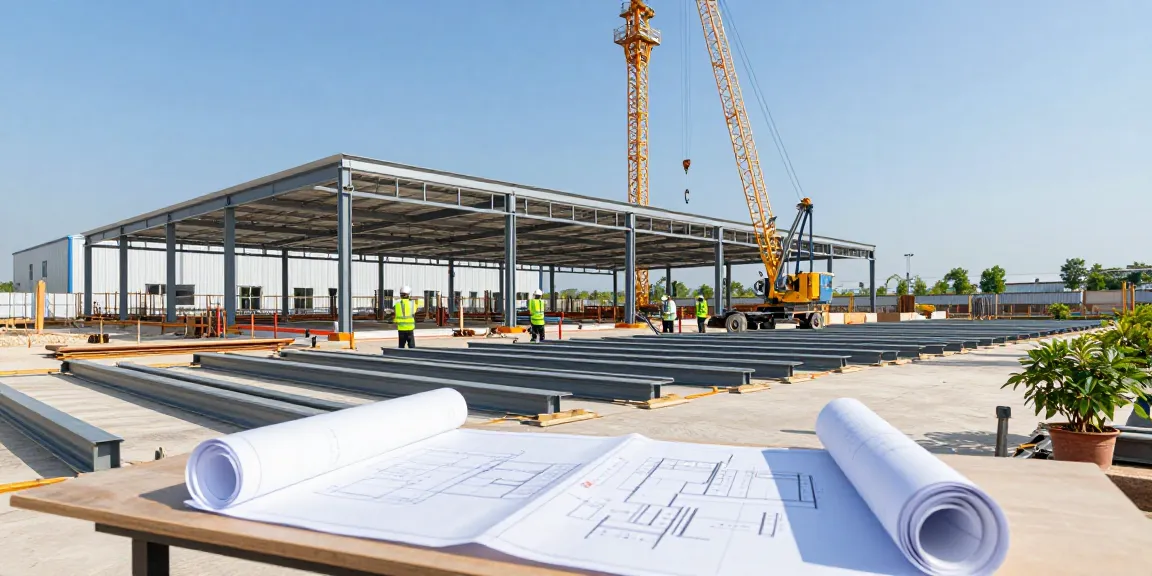
Understanding the Role of a Manhattan Construction Manager
The role of the Manhattan Construction Manager is pivotal in overseeing the complexities of construction projects in one of the most dynamic urban environments in the world. This position requires a blend of technical knowledge, project management skills, and an in-depth understanding of local regulations and market conditions. In this section, we delve into the various responsibilities and essential skills that define this crucial role.
Defining Key Responsibilities
Manhattan Construction Managers bear a wide range of responsibilities that align with the phases of construction projects. Their primary duties include:
- Project Planning: Initiating projects with detailed plans encompassing timelines, resource allocation, and budgeting.
- Coordination: Collaborating with architects, engineers, subcontractors, and clients to ensure everyone is aligned with project goals.
- Quality Control: Overseeing construction practices to maintain standards, quality, and adherence to plans.
- Regulatory Compliance: Ensuring all aspects of the project comply with local laws, building codes, and safety regulations.
- Stakeholder Communication: Maintaining clear and consistent communication with all stakeholders throughout the project's lifecycle.
Essential Skills for Success
The competencies required for a successful Manhattan Construction Manager extend beyond technical skills. Key skills include:
- Analytical Skills: Ability to assess project metrics and adapt strategies effectively.
- Leadership: Leading and motivating teams while managing conflicts and negotiations.
- Time Management: Prioritizing tasks and managing multiple projects simultaneously without sacrificing quality.
- Technical Proficiency: Familiarity with project management software and construction technology.
- Communication: Exceptional verbal and written skills to convey information clearly and persuasively.
Importance of Networking and Relationships
Networking is a crucial aspect of a Manhattan Construction Manager's role. Building relationships with local contractors, suppliers, architects, and policymakers can lead to better project outcomes and opportunities for collaboration. Establishing trust within the community enhances a construction manager's ability to navigate challenges and secure resources quickly. A well-connected manager can tap into a wealth of knowledge and support that is invaluable during project execution.
Best Practices in Project Management
Project management in construction involves meticulous planning and execution. Here are best practices that Manhattan Construction Managers should implement to ensure project success.
Creating Effective Timelines
A well-defined timeline is essential to project management. Here’s how to create effective timelines:
- Define Milestones: Break down the project into phases and assign deadlines to each milestone.
- Use Gantt Charts: Visual representation of timelines helps track progress and identify bottlenecks.
- Incorporate Buffer Times: Adjust for unforeseen delays by including buffer times in your schedule.
Budgeting and Resource Allocation
Managing finances effectively is another crucial aspect of project management. Successful budgeting entails:
- Accurate Estimates: Perform thorough cost analyses to minimize financial risks.
- Track Expenses: Utilize software to monitor expenditure against the budget regularly.
- Resource Management: Allocate manpower, materials, and equipment efficiently to avoid wastage.
Risk Assessment and Management
Anticipating risks can save time and resources. Here's how to assess risks expertly:
- Identify Risks: Conduct a SWOT analysis (Strengths, Weaknesses, Opportunities, Threats) to foresee potential issues.
- Develop Mitigation Strategies: Create action plans to address identified risks effectively.
- Continuous Monitoring: Reinforce risk assessment by regularly reviewing and updating risk profiles throughout the project.
Technology and Tools for Manhattan Construction Managers
Utilizing technology can streamline project management processes. This section explores tools that enhance efficiency and effectiveness in construction management.
Project Management Software Overview
There are numerous software tools that aid project management. Popular ones include:
- Procore: Offers comprehensive project management features, including scheduling, budgeting, and communication.
- Buildertrend: Designed for residential construction, it manages project schedules and communication seamlessly.
- Autodesk Revit: Great for building information modeling (BIM), which allows detailed 3D modeling and analysis.
Using Drones and 3D Modeling
Drones and 3D modeling provide innovative solutions for construction supervision. Key benefits include:
- Site Surveys: Drones can quickly gather precise data, improving site assessments.
- Progress Tracking: Regular drone footage helps monitor project progress visually.
- 3D Modeling: Visualizing structures before they are built allows for better planning and issue detection.
Leveraging Data for Decision Making
Data is a powerful asset for informed decision-making. Here’s how construction managers can leverage data:
- Analytics Tools: Utilize data analytics tools to evaluate past project performances and forecast future outcomes.
- Construction Metrics: Track essential metrics like productivity rates, safety incidents, and budget deviations.
- Client Feedback: Regularly gather and analyze feedback to improve processes and client satisfaction.
Common Challenges in Manhattan Construction
Constructing in Manhattan comes with unique challenges, from regulatory hurdles to environmental conditions. This section discusses how to navigate these complexities effectively.
Navigating Regulatory Compliance
Complying with local and federal regulations is crucial for construction managers. This can be achieved by:
- Staying Informed: Keep abreast of new laws and building codes pertinent to Manhattan.
- Permitting Process: Understand the specific permitting processes in Manhattan to ensure timely approvals.
- Regular Audits: Conduct internal audits to ensure compliance throughout the project duration.
Dealing with Weather and Environmental Issues
Manhattan’s weather can significantly impact construction timelines. Effective strategies include:
- Weather Forecasting: Use advanced forecasting tools to plan operations around adverse weather.
- Flexible Scheduling: Incorporate flexible work schedules to accommodate unexpected weather circumstances.
- Protective Measures: Ensure that construction sites are prepared to handle environmental conditions, such as flooding or snow.
Handling Labor Shortages and Workforce Management
Labor shortages are a significant challenge for construction managers today. To tackle this issue, consider:
- Attracting Talent: Offer competitive wages and benefits to draw skilled labor in a tight market.
- Training and Development: Invest in training programs to upskill existing workers and retain talent.
- Fostering a Positive Work Culture: Encourage a collaborative environment that promotes job satisfaction and team cohesion.
FAQs about Manhattan Construction Management
What qualifications are needed to become a Manhattan Construction Manager?
Most positions require a bachelor's degree in construction management or a related field, along with experience in the construction industry.
How can I find successful construction projects in Manhattan?
Networking, online platforms, and construction industry events can help identify and connect with ongoing projects and opportunities.
What are the key software used by Manhattan Construction Managers?
Common tools include Procore, Buildertrend, and Autodesk Revit, which assist in project management, budgeting, and design.
How do I manage team communication on construction sites?
Regular briefings, collaborative tools, and clear chain-of-command systems ensure effective communication among all team members.
What trends are shaping the future of construction management?
Trends include sustainable building practices, advancements in technology, and increased focus on safety protocols and training.