Understanding the Digital Creative Landscape
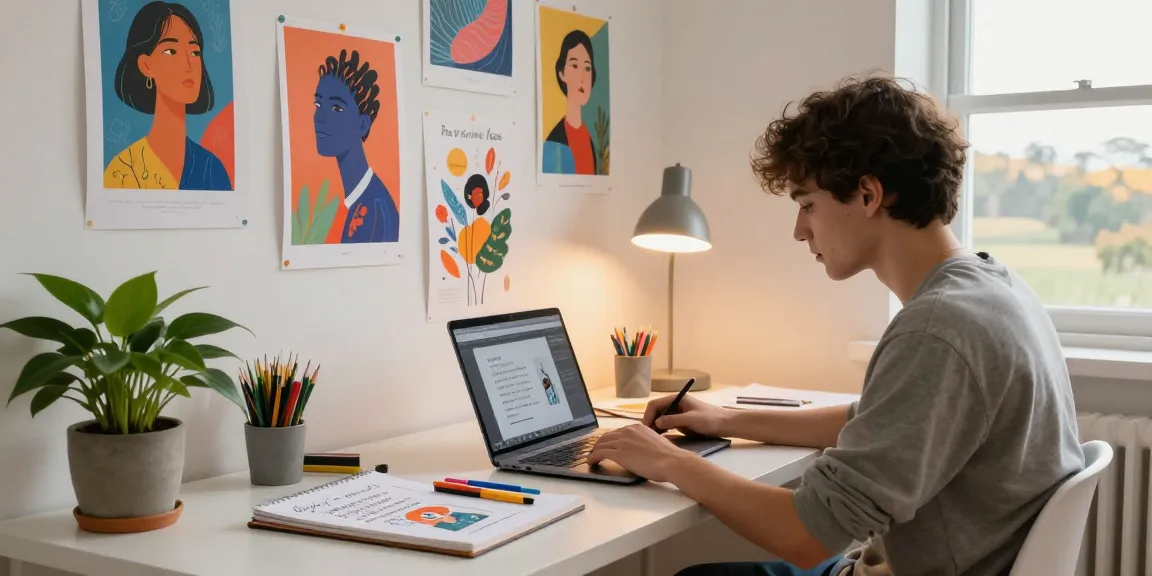
In today’s ever-evolving digital landscape, creativity is not just an artistic expression; it also embodies the fusion of technology and design. As a high school student currently studying in Czechia, my journey in this realm is fueled by a passion that merges music, digital art, and technology. I often find myself contemplating how the digital creative workspace is defined and the transformative role technology plays in enhancing creativity. For those exploring options in this field, dejny.eu provides comprehensive insights into building a portfolio that reflects one’s unique artistic vision.
What Defines a Creative Digital Workspace?
A creative digital workspace transcends the traditional office setup. It is characterized by flexibility, collaboration, and access to tools that inspire innovation. In essence, it is where ideas come to life, allowing creators to harness their unique skills to produce content that resonates with audiences. This environment encourages interdisciplinary collaboration, inviting diverse talents to contribute to a singular project. Elements such as digital whiteboards, collaborative software, and immersive virtual platforms are integral to this workspace. They foster an ecosystem where creativity thrives, driving the creation of exceptional digital experiences.
The Role of Technology in Modern Creativity
Technology serves as a catalyst for modern creativity, providing tools that were once unimaginable. From augmented reality (AR) and virtual reality (VR) to artificial intelligence (AI) and machine learning, these advancements allow creators to experiment and innovate like never before. For example, AI can analyze trends and suggest design elements, while VR can create immersive environments that engage the user in unparalleled ways. As a digital dreamer, I leverage these technologies to sculpt experiences that are not only visually appealing but also emotionally captivating.
Key Trends Shaping Digital Art and Design in 2026
As we look towards 2026, several key trends are poised to define the future of digital art and design. One of these is the increasing importance of sustainable practices in digital creations. As concerns about climate change grow, artists are embracing eco-friendly practices and digital solutions that minimize environmental impact. Additionally, the rise of generative design, where algorithms create designs based on parameters set by the creator, is reshaping how we perceive artistry. This method not only enhances creativity but also introduces efficiency into the design process. Lastly, the integration of blockchain technology is set to revolutionize ownership and copyright in digital art, giving creators more control over their work.
Building Your Portfolio: Best Practices
Crafting a compelling portfolio is crucial for any creative professional looking to make an impact in the digital space. A portfolio is not merely a collection of work; it's a narrative that showcases your journey, skills, and unique perspective. It’s essential to approach this task with a strategic mindset to effectively market oneself in a competitive landscape.
Essential Elements to Include on Your Portfolio Site
Your portfolio should include several key elements to highlight your expertise and creativity. Start with a strong introduction that speaks to who you are and what drives your work. High-quality images of your projects, case studies that detail your creative process, and testimonials from clients can build credibility. Additionally, integrating an engaging blog where you share insights and experiences can help establish you as a thought leader in the industry.
Showcasing Projects Effectively on dejny.eu
When showcasing projects on platforms like dejny.eu, it's vital to present them in a way that tells a story. Include details about the challenges you faced, the solutions you implemented, and the impact your work had. Use multimedia elements such as videos, animations, or interactive content to enhance engagement. This storytelling approach not only captivates viewers but also demonstrates your thought process and problem-solving skills.
Leveraging Social Media for Portfolio Growth
Social media plays a pivotal role in promoting your portfolio and expanding your reach. Platforms like Instagram, Behance, and LinkedIn are excellent for sharing your work with a wider audience. Regularly posting updates, behind-the-scenes content, and insights into your creative process can help you build a following and connect with other creatives and potential clients. Engaging with your audience through comments and discussions also fosters community, enhancing your visibility.
Essential Skills for Emerging Creative Professionals
As the digital landscape continues to evolve, emerging professionals must cultivate a blend of technical and soft skills to thrive. While artistic talent is foundational, the ability to adapt and learn new skills is equally vital in this fast-paced environment.
Technical Skills: What You Need to Learn
Technical proficiency is a prerequisite for success in creative careers today. Familiarity with design software such as Adobe Creative Suite, coding languages like HTML and CSS, and understanding the basics of SEO are invaluable skills. Additionally, knowledge of data analytics can provide insights into audience behavior, allowing for more targeted and effective content creation.
Soft Skills for Success in a Creative Career
Soft skills often set successful creatives apart. Communication, collaboration, and time management are essential in today’s multidisciplinary environments. Being able to articulate your ideas clearly and work effectively within a team can enhance project outcomes and client relationships. Moreover, emotional intelligence, which encompasses empathy and adaptability, can significantly contribute to a creator's success in navigating client needs and team dynamics.
Continuous Learning: Staying Updated in Your Field
The creative industry is in a constant state of flux, making continuous learning imperative. Engaging in professional development through online courses, workshops, and webinars can keep your skills sharp and relevant. Platforms like Coursera, Udemy, and LinkedIn Learning offer a wealth of resources to help you stay updated on the latest tools and trends in the creative landscape.
Navigating the Freelance Market
Freelancing presents unique opportunities and challenges for creative professionals. Understanding how to navigate this market can lead to successful careers filled with diverse projects and clients.
Finding Clients and Opportunities Online
Securing freelance work requires proactive outreach and effective networking. Websites such as Upwork, Freelancer, and Fiverr are excellent platforms to find gigs that match your skill set. Additionally, leveraging social media to connect with potential clients and joining community groups can open doors to freelance opportunities.
Pricing Your Services: Strategies for Success
Determining how to price your services can be challenging but is crucial for sustainable freelancing. Researching industry standards and assessing your level of expertise can help you set competitive rates. Offering tiered pricing packages can also appeal to a wider range of clients, providing options for various budgets while ensuring you are adequately compensated for your skills.
Building a Personal Brand as a Freelancer
Your personal brand is your professional identity, encapsulating what you stand for and how you want to be perceived in the market. Building a consistent online presence through a professional website and active social media profiles is essential. This brand should reflect your personality, values, and unique creative vision, helping potential clients connect with you on a personal level.
Future Insights: The Creative Industry in 2026 and Beyond
As we advance towards 2026, the creative industry is poised for transformative changes driven by technology, societal shifts, and evolving consumer preferences. Understanding these changes can help professionals strategize their careers and remain relevant.
Emerging Technologies and Their Impact on Creativity
Emerging technologies, such as AI and machine learning, are set to redefine creativity. AI tools can assist in generating ideas, automating mundane tasks, and providing analytics that inform design decisions. This shift allows creatives to focus more on ideation and innovative thinking, enhancing their work’s overall quality.
How to Stay Adaptable in a Fast-Paced Environment
Adaptability is crucial in navigating the ever-changing creative landscape. Embracing change as an opportunity for growth can help you stay ahead of industry trends. Regularly reassessing your skills, seeking feedback, and being open to new ideas will enable you to pivot your creative direction as needed.
Final Thoughts: The Path Forward for Creative Professionals
The journey of a creative professional is undoubtedly filled with challenges and rewards. As the industry continues to evolve, staying informed and adaptable will allow you to carve a niche for yourself in this dynamic environment. By building a strong portfolio, honing essential skills, and navigating the freelance market effectively, you can position yourself for success in the exciting years ahead.
What are the best platforms for showcasing my work?
Several platforms stand out for showcasing creative work, including Behance for visual projects, Dribbble for UI/UX designers, and personal websites using platforms like WordPress or Squarespace. Each offers unique features and audiences, enabling creators to share their portfolios effectively.
How can I improve my digital design skills?
Improving digital design skills can be achieved through practice, online courses, and seeking constructive feedback. Engaging with design communities and participating in challenges can also encourage growth while exposing you to different styles and techniques.
What freelance resources are available for beginners?
Numerous resources cater to beginner freelancers, including platforms like Upwork and Fiverr for finding gigs, as well as websites like Freelancer's Union that offer advice and support. Online forums and social media groups can also provide invaluable tips and networking opportunities.
How does technology influence modern creative careers?
Technology profoundly influences modern creative careers by providing tools that enhance productivity, creativity, and collaboration. From graphic design software to project management tools, technology enables creatives to produce high-quality work efficiently, opening up new possibilities for innovation.
What trends should I watch for in the creative industry?
Key trends include the rise of remote work, sustainable design practices, and the integration of emerging technologies such as AR and VR in creative projects. Staying informed on these trends can better prepare you for future opportunities and challenges in the creative landscape.