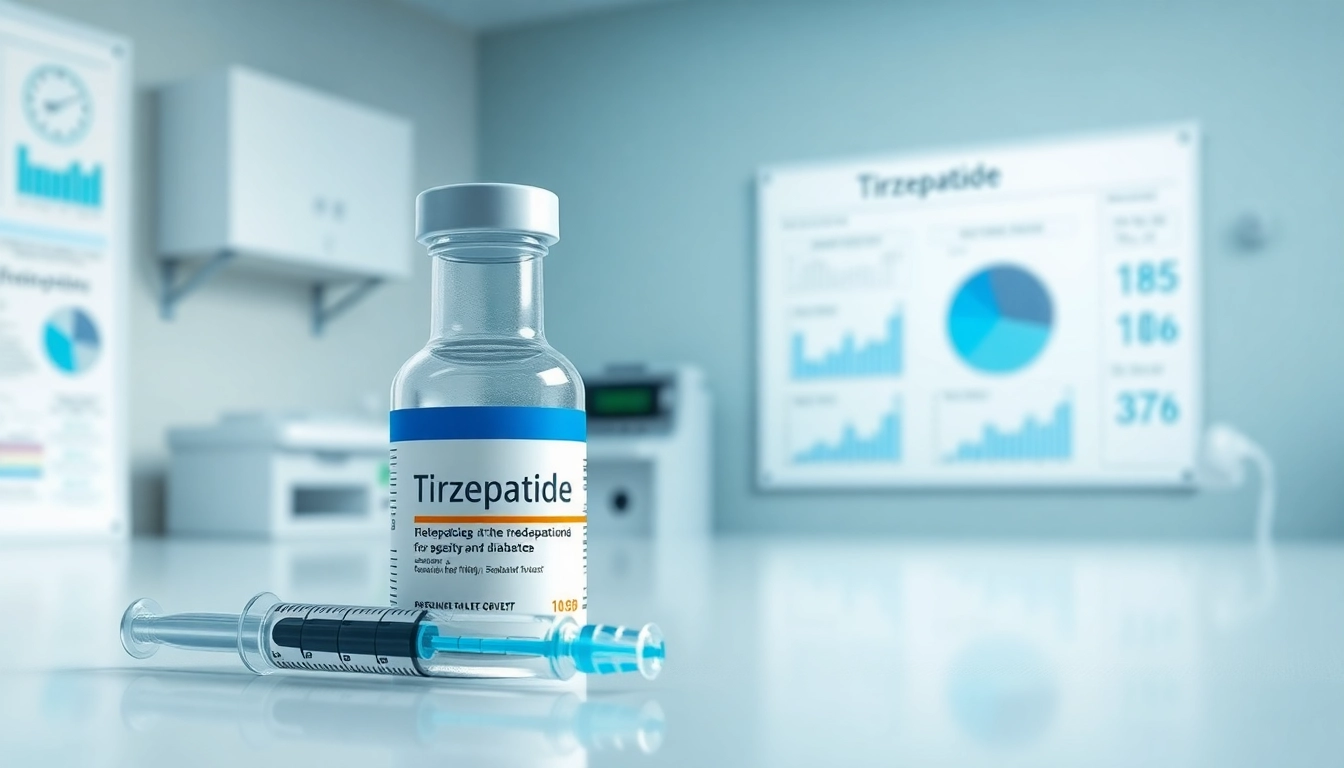
What is Tirzepatide?
1. Overview of Tirzepatide
Tirzepatide is a groundbreaking medication designed primarily for the management of type 2 diabetes. As a novel dual GIP and GLP-1 receptor agonist, it represents a significant advancement in diabetes treatment. Unlike traditional medications, Tirzepatide combines the benefits of two hormones that regulate blood sugar and appetite, making it an innovative option for patients struggling to maintain glycemic control. For those seeking to explore the potential of Tirzepatide in their diabetes management plan, options can be found on various health and wellness websites, including Tirzepatide.
2. How Tirzepatide Works
Tirzepatide operates through mechanisms that mimic the action of incretin hormones, which are naturally produced in the body to enhance insulin secretion following meals. By activating both GIP and GLP-1 receptors, Tirzepatide can effectively lower blood sugar levels by stimulating insulin release from pancreatic beta cells while simultaneously reducing glucagon secretion from alpha cells. This dual action not only assists in lowering blood glucose levels but also promotes a feeling of fullness, thereby aiding weight management.
Additionally, Tirzepatide slows gastric emptying, which further contributes to improved glycemic control and helps in reducing excessive calorie intake. The result is a multifaceted approach that addresses both the physiological and behavioral factors associated with diabetes.
3. Medical Applications of Tirzepatide
The primary medical application of Tirzepatide is in the treatment of type 2 diabetes, particularly in patients whose blood sugar levels remain poorly managed despite lifestyle modifications or who require additional medication to achieve better control. Clinical studies have demonstrated that Tirzepatide significantly improves glycemic control while offering notable benefits in weight loss.
Furthermore, ongoing research aims to explore additional benefits of Tirzepatide, such as its potential cardiovascular protective effects and its role in managing obesity-related health conditions. As healthcare continues to evolve, Tirzepatide stands at the forefront, promising a future where diabetes management is more effective and accessible.
Benefits of Tirzepatide in Diabetes Management
1. Weight Loss Benefits
One of the most significant advantages of Tirzepatide is its impact on weight loss. In clinical trials, patients administered Tirzepatide experienced substantial reductions in body weight compared to those on placebo treatments. This is particularly beneficial for individuals with type 2 diabetes, many of whom struggle with obesity. The appetite-suppressing effects of Tirzepatide are connected to its mechanism of action; by mimicking incretin hormones, it promotes spontaneous weight loss without the need for rigorous dieting.
Moreover, weight loss can lead to improved insulin sensitivity, enhancing overall metabolic health. This dual benefit of glycemic control and weight management positions Tirzepatide as a holistic approach to treating type 2 diabetes.
2. Improved Blood Sugar Control
Tirzepatide has shown remarkable efficacy in regulating blood glucose levels. Studies indicate that patients using this medication experienced significant reductions in HbA1c values, a key indicator of long-term glucose levels. By stabilizing blood sugar through its dual action, Tirzepatide not only helps to prevent spikes in blood glucose but also reduces the risks associated with chronic hyperglycemia, such as neuropathy and cardiovascular issues.
The sustained glucose-lowering effects manifest as enhanced quality of life for patients, decreasing the constant fears associated with blood sugar fluctuations.
3. Long-term Health Effects
Beyond immediate effects on weight loss and glucose control, Tirzepatide may have far-reaching long-term health effects. Emerging research suggests that consistent use of Tirzepatide may lower the risk of developing diabetes-related complications, such as cardiovascular disease and kidney damage. Additionally, a more stable metabolic profile can lead to improvements in overall health, potentially reducing the necessity for multiple health interventions later in life.
These long-term benefits are critical, especially considering the ongoing burden of diabetes on global healthcare systems and the well-being of patients.
Dosage and Administration of Tirzepatide
1. Guidelines for Dosing
The dosing of Tirzepatide typically begins at a lower concentration to evaluate patient tolerance and response. The standard starting dose is 2.5 mg once a week, administered via subcutaneous injection. Based on individual therapeutic responses and tolerability, doses may be escalated up to a maximum of 15 mg weekly. It's vital that patients work closely with their healthcare providers to determine the most suitable dosing regime tailored to their specific needs.
2. Injection Techniques
Proper administration of Tirzepatide is crucial for maximizing its effectiveness. Patients are instructed to inject the solution subcutaneously into the abdomen, thigh, or upper arm. It's advisable to rotate the injection site to minimize discomfort or irritation at the site over time. Patients should also be educated on proper storage and handling of the medication to ensure its efficacy.
3. Frequency of Use
Tirzepatide is prescribed as a once-weekly injection, which facilitates adherence to treatment regimens compared to daily injections required for some other diabetes medications. This weekly dosage schedule is not only easier for patients but also aids in maintaining consistent medication levels in the body, which is critical for effective blood sugar management.
Side Effects and Considerations
1. Common Side Effects of Tirzepatide
As with any medication, Tirzepatide may have side effects. The most common include gastrointestinal symptoms such as nausea, vomiting, diarrhea, and constipation. These side effects are generally mild to moderate and tend to diminish over time as the body adjusts to the medication. However, if patients experience severe side effects or persistent discomfort, it is essential to consult a healthcare provider.
2. Who Should Avoid Tirzepatide?
Certain populations should exercise caution or may need to avoid Tirzepatide entirely. Individuals with a history of medullary thyroid carcinoma or multiple endocrine neoplasia syndrome type 2 should not use this medication due to a potential increased risk of thyroid tumors. Additionally, patients with severe gastrointestinal disease may also be advised against its use until further evaluation is conducted.
3. Interactions with Other Medications
Tirzepatide can interact with other medications, which may enhance or diminish its effects. Patients should inform their healthcare providers about all medications, including over-the-counter drugs and supplements, to ensure safety and reduce the risk of adverse effects. Special caution should be taken when used with other antidiabetic agents as they may lead to hypoglycemia.
Frequently Asked Questions about Tirzepatide
1. What are the typical results from Tirzepatide?
Patients typically experience significant weight loss and improved blood sugar levels. In clinical trials, reductions in HbA1c of up to 2% have been noted, along with noticeable weight decreases.
2. How quickly can I expect to see results?
Individuals often begin to notice changes in their blood sugar levels within the first few weeks of treatment. Weight loss may take longer but is typically observed within three to six months.
3. Is Tirzepatide suitable for everyone?
While Tirzepatide is effective for many, it is not suitable for individuals with a history of specific thyroid cancers or certain gastrointestinal issues. A healthcare provider should evaluate individual conditions.
4. Can Tirzepatide be used alongside other diabetes medications?
Yes, Tirzepatide can be used with other diabetes medications. However, close monitoring is necessary to prevent hypoglycemia and ensure optimal glycemic control.
5. How does Tirzepatide compare to other weight loss drugs?
Tirzepatide differs from other weight loss medications by combining mechanisms that control blood sugar and enhance satiety, offering a dual benefit not found in many other treatments.