
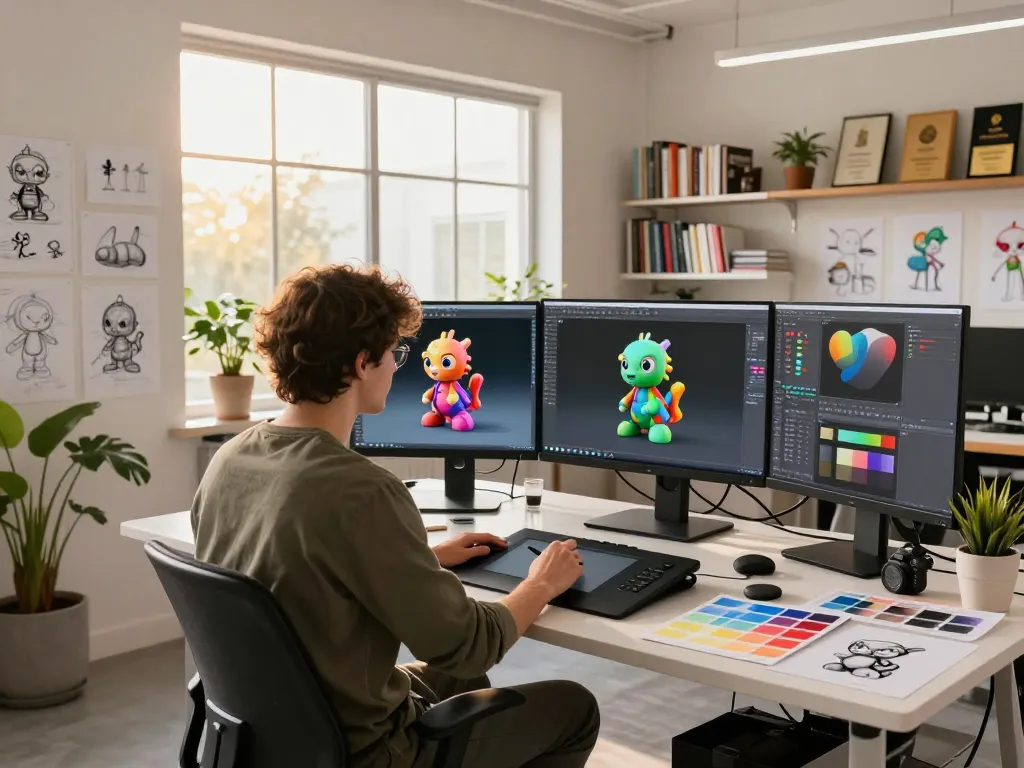
Advanced 3D Model Generator Techniques for Creatives in 2026
Understanding the Basics of 3D Model Generators
In the rapidly evolving world of design and technology, 3D Model generator have emerged as essential tools for creators across various industries. These powerful software solutions harness advanced algorithms to convert ideas into three-dimensional models efficiently, tailoring to individual project requirements. Whether you are a seasoned designer, a hobbyist, or a game developer, understanding the fundamentals of 3D model generators is crucial for maximizing your creative potential.
What is a 3D Model Generator?
A 3D model generator is a software application that allows users to create three-dimensional representations of objects. These models can be utilized in a multitude of applications, including gaming, virtual reality, product design, and 3D printing. By transforming input data—be it textual descriptions, images, or even sketches—into complex geometries, these tools streamline the modeling process, making it accessible to both novice and experienced users.
How 3D Model Generators Work
At the heart of 3D model generators lies sophisticated algorithms, often powered by artificial intelligence and machine learning. These systems analyze input data, identifying patterns and features that dictate how the final model should be formed. Typically, users provide data in various formats, such as:
- Text Prompts: Descriptions that detail the desired object’s characteristics.
- Images: Pictures that demonstrate what the model should resemble.
- Existing Models: Modifications or variations of pre-existing 3D objects.
Once the generator processes this information, it constructs a 3D model that can be further refined and manipulated according to the user’s specifications.
Types of 3D Model Generators Available
There is a wide variety of 3D model generators available today, each catering to different needs and skill levels. Some common types include:
- Text-to-3D Generators: These convert descriptive text inputs into three-dimensional models, ideal for creating conceptual designs.
- Image-to-3D Generators: Such tools transform 2D images into 3D objects, commonly used in product design and prototyping.
- Full CAD Systems: Comprehensive software platforms that offer advanced functionalities, including simulation and engineering analysis.
- AI-Powered Generators: These utilize machine learning to improve the accuracy and quality of model generation continuously.
Benefits of Using a 3D Model Generator
Employing a 3D model generator offers numerous advantages to designers, engineers, and creatives alike. Understanding these benefits can help you leverage such tools effectively in your projects.
Enhancing Creativity and Efficiency
One of the most pronounced benefits of utilizing a 3D model generator is the enhancement of creative output and efficiency. By automating the more tedious aspects of 3D modeling, these tools allow artists and designers to focus on creativity instead of getting bogged down with technical details. This results in a smoother workflow, quicker turnaround times, and the ability to experiment with various designs without significant resource expenditure.
Cost-Effectiveness for Design Projects
3D modeling traditionally requires considerable investment in terms of time and resources. With the advent of 3D model generators, businesses and individuals can significantly reduce costs associated with manual modeling processes. These platforms often come with various pricing structures, including free or subscription-based models, making them accessible to everyone, regardless of budget constraints.
Real-Time Collaboration Features
Many contemporary 3D model generators come equipped with collaborative features, enabling teams to work together in real-time, irrespective of their locations. This is particularly beneficial for remote teams or businesses working on large projects, as it streamlines communication and allows for immediate feedback and adjustments on designs.
Choosing the Right 3D Model Generator for Your Needs
With so many options available in the market, selecting the right 3D model generator can be a daunting task. However, several factors can guide your decision-making process.
Key Features to Look For
When evaluating different 3D model generators, consider the following key features:
- User Interface: A user-friendly interface can significantly enhance the modeling experience, especially for newcomers.
- Versatility: Ensure the software supports various input formats and can generate models suitable for different applications.
- Integration: Look for tools that integrate seamlessly with other software you use, such as CAD or gaming engines.
- Support and Community: Robust support and an active community can be invaluable for troubleshooting and learning.
Comparing Popular 3D Model Generators
To make an informed decision, it helps to compare popular options available on the market. Leading names include Meshy AI, Canva’s AI 3D Model Generator, and Sloyd, each offering unique features that cater to different user needs. For example, Meshy AI specializes in rapid model generation from text, while Canva focuses more on user-friendly design without niche depth.
User Reviews and Recommendations
User feedback plays a pivotal role in selecting the best 3D model generator. Many platforms provide user reviews that shed light on real-world applications and performance. Engaging in forums and discussions can provide insights that marketing material often overlooks, allowing for a more nuanced understanding of each tool’s strengths and weaknesses.
Implementation Strategies for Successful 3D Modeling
After selecting a 3D model generator, implementing it effectively into your workflow is crucial for achieving desired outcomes. Below are strategies to ensure a smooth transition and successful modeling.
Step-by-Step Guide to Using a 3D Model Generator
To maximize the potential of your chosen generator, follow these steps:
- Identify the Project Scope: Clearly define what you want to model, including details like size, complexity, and intended use.
- Gather Input Data: Collect any necessary text prompts or images that will serve as the foundation for your model.
- Utilize Tutorials: Many platforms offer tutorials—make the most of these resources to understand the nuances of the tool.
- Experiment: Don’t hesitate to play around with different settings and approaches to find what works best for your style.
- Refine and Finalize: After generating your model, take the time to polish it, ensuring it meets your specifications before moving to production.
Common Challenges and Solutions
While 3D model generators simplify many aspects of design, challenges may still arise. Common issues include:
- Model Quality: Some generators may produce lower-quality models. In such cases, consider refining the generated output using traditional software.
- Learning Curve: Some tools can be complex. Dedicating time to learn and utilize tutorials can mitigate this issue significantly.
- Integration Hiccups: Ensure compatibility with your existing workflow to avoid disruptions. Checking integration options in advance can save time later.
Best Practices for Model Quality and Detailing
To ensure high-quality outputs from your 3D model generator, adhere to these best practices:
- Start with high-quality input data—clear images or descriptive text yield better models.
- Take advantage of any refining tools offered by the generator.
- Collaborate with others to receive feedback and suggestions for improvement.
Future Trends in 3D Modeling and Generators
The landscape of 3D modeling and generators is constantly evolving, driven by technological advancements and shifting user needs. Understanding these trends can help you stay ahead of the curve.
Emerging Technologies and Innovations
The integration of AI, VR, and AR technologies into 3D model generators is transforming how we create and interact with 3D models. Expect more intuitive interfaces and smarter algorithms that enhance user experience and output quality. Innovations in cloud computing will also allow for larger and more complex models to be generated seamlessly.
Predictions for 3D Modeling in 2026
As we look ahead to 2026, predictions indicate that 3D modeling will become increasingly democratized, allowing users without technical skills to produce high-quality models. The growth of remote work and online collaboration will necessitate tools that facilitate teamwork across teams and industries.
Impact of AI on 3D Model Generation
AI’s role in 3D modeling will deepen, with more generators incorporating machine learning algorithms to improve efficiency and allow for more intuitive user interactions. The ability to learn from previous user behavior will refine how models are generated, leading to more personalized outcomes for each user.
What are the best free 3D model generators?
Some notable free 3D model generators include Blender, SketchUp Free, and Tinkercad, each providing unique functionalities that cater to different needs and skill levels.
How can 3D model generators be used in game design?
3D model generators are invaluable in game design, allowing developers to quickly prototype and iterate on characters, environments, and assets required for gameplay, significantly speeding up the development process.
What features improve the usability of 3D model generators?
Features such as drag-and-drop interfaces, real-time rendering, and extensive libraries of assets can greatly enhance the usability of 3D model generators, making them more appealing to novice users.
Can 3D model generators create printable models?
Yes, many 3D model generators are designed to create models compatible with 3D printing, ensuring they meet the necessary specifications for successful printing.
What skills complement the use of a 3D model generator?
While using a 3D model generator can simplify the modeling process, complementary skills in design principles, texturing, and basic geometry can enhance the quality of the generated models.


