Expert Guide to Commercial Carpet Installation in 2026: Proven Techniques for High-Quality Results
Understanding Commercial Carpet Installation
Commercial carpet installation is a pivotal aspect of transforming spaces in a way that balances aesthetics, functionality, and durability. Whether you’re refurbishing a vibrant office, a bustling retail shop, or a welcoming hotel lobby, the right carpet can set the tone and enhance the overall atmosphere of your environment. This comprehensive guide explores the numerous facets of commercial carpet installation, providing you with the knowledge necessary to make informed decisions for your business’s flooring needs. When exploring options, commercial carpet installation services can provide valuable insights and tailored solutions.
What is Commercial Carpet Installation?
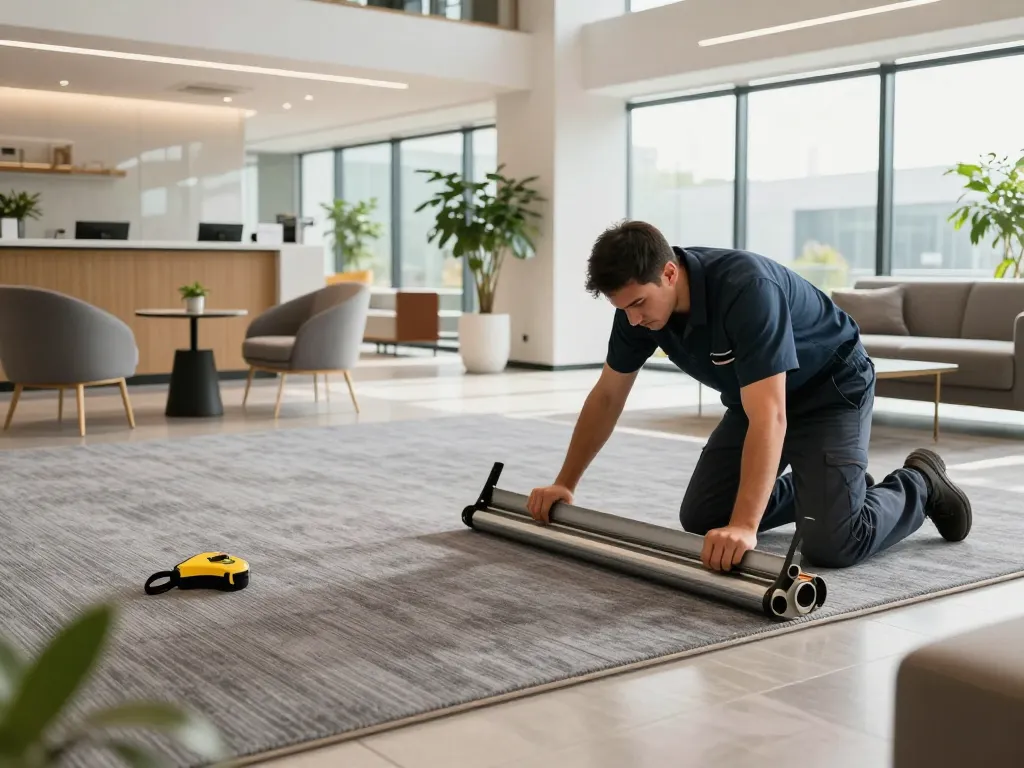
Commercial carpet installation refers to the process of laying carpets specifically designed for high-traffic environments. Unlike residential carpets, commercial carpets are engineered to withstand greater wear and tear, making them ideal for areas such as offices, schools, hospitals, and retail spaces. The installation process involves several stages, including site assessment, preparation, and the actual laying of the carpet, ensuring that the finished product not only looks good but also performs optimally.
Types of Commercial Carpeting
There are various types of commercial carpeting to choose from, each with its unique features and benefits:
- Broadloom Carpets: These are large rolls of carpet that are ideal for larger spaces, offering a seamless look.
- Carpet Tiles: These smaller squares are versatile and easy to replace, making them perfect for businesses that anticipate wear and tear.
- Textured Loop Carpets: These carpets offer a unique texture and can hide dirt and stains well, which is beneficial for high-traffic areas.
- Cut Pile Carpets: Known for their soft feel, these carpets are often used in offices where comfort is a priority.
Benefits of Professional Carpet Installation
Choosing professional installation services for your commercial carpeting ensures quality workmanship. Here are some benefits of hiring experts:
- Expertise: Professionals understand the nuances of different materials and can recommend the best carpet for your specific business needs.
- Efficiency: Trained installers can complete the project faster and more effectively than DIY attempts.
- Warranty Protection: Many commercial carpet manufacturers require professional installation for warranty validation.
- Quality Assurance: Professionals carry out quality checks throughout the installation process, ensuring a flawless finish.
Choosing the Right Carpet for Your Business
Factors to Consider for Commercial Spaces
When selecting carpet for your commercial space, consider the following factors:
- Traffic Levels: Evaluate the expected foot traffic and choose a carpet that can withstand it.
- Aesthetic Appeal: The carpet’s design should align with your business’s branding and atmosphere.
- Maintenance Requirements: Some carpets require more upkeep than others, so choose one that fits your ability to maintain it.
- Budget: Determine your budget upfront to narrow down your options without compromising on quality.
Popular Carpet Materials and Their Advantages
Different materials perform differently under varying conditions. Here are some common materials used in commercial carpets:
- Nylon: Highly durable and resistant to stains, nylon is a popular choice for commercial spaces.
- Polyester: Known for its softness, polyester is also eco-friendly and offers a vibrant color palette.
- Wool: Although more expensive, wool carpets are luxurious, durable, and naturally resistant to fire.
- Olefin: Ideal for outdoor spaces, olefin is moisture-resistant and holds up well against fading.
Durability and Maintenance Considerations
Durability is essential in commercial carpets, particularly in high-traffic areas. Look for carpets with high-density fibers and consider treatments that enhance their stain resistance. Regular maintenance will prolong the life of your carpet, and it’s essential to implement a cleaning schedule that includes vacuuming, spot cleaning, and professional deep cleaning.
The Carpet Installation Process
Preparation and Site Assessment
The installation process begins with a thorough site assessment to evaluate the space and measure for carpet. This assessment will help determine any necessary preparations, such as removing old flooring or addressing subfloor irregularities.
Installation Techniques Explained
Depending on the type of carpet selected, different installation techniques may be used, including:
- Glue-Down Method: A strong adhesive is used to attach carpet directly to the floor, minimizing movement.
- Stretch-in Method: Involves stretching the carpet over padding that is secured with tack strips, providing a plush feel.
- Interlocking Tiles: Tiles are simply placed next to one another, allowing for easy repair and replacement.
Quality Control and Final Inspection
After installation, a final inspection should be conducted to ensure the carpet has been laid correctly and meets quality standards. This includes checking for seams, ensuring that there are no bulges or wrinkles, and confirming that the carpet is clean and free of debris.
Cost Factors in Commercial Carpet Installation
Understanding Pricing Models and Estimates
Understanding the cost structure is crucial for budgeting. On average, the cost of commercial carpet installation may range between $2.50 and $7.50 per square foot, depending on the material, installation method, and total area. It is advisable to obtain multiple estimates from different vendors to ensure you receive a fair price.
Hidden Costs to Be Aware Of
Be aware of potential hidden costs that may not be included in initial estimates, such as:
- Subfloor repairs or preparation
- Disposal fees for old carpet
- Additional materials such as padding and adhesives
- Transport fees for delivery of materials
Budgeting for Carpet Installation Projects
When budgeting for your commercial carpet installation, include not just the cost of the carpet and installation, but also maintenance and cleaning costs to ensure long-term value. Consider setting aside a contingency fund of 10-15% to cover unexpected expenses.
Future Trends in Commercial Carpeting for 2026
Innovative Materials and Technologies
The carpet industry is evolving with technological advancements such as smart carpets that can monitor foot traffic and even adjust their texture for comfort based on usage patterns. These innovations promise to increase functionality and enhance user experience in commercial spaces.
Eco-Friendly and Sustainable Options
As businesses aim to become greener, eco-friendly carpets made from recycled materials or sustainable fibers are gaining popularity. These carpets not only reduce environmental footprints but are also marketed to environmentally conscious consumers.
Emerging Design Trends in Commercial Spaces
Trends for 2026 emphasize creating inviting environments with bold colors and patterns. Businesses are also increasingly utilizing zoning in open areas with different carpet styles, allowing for both functionality and aesthetic appeal.
Frequently Asked Questions about Commercial Carpet Installation
How long does a commercial carpet installation take?
The duration of a commercial carpet installation project can vary significantly based on the area size and preparation needed. Typically, smaller projects may take a couple of days, while larger projects can extend into a week or more.
What are the best practices for carpet care?
Regular vacuuming, immediate spot cleaning, and professional deep cleaning every 12-18 months are recommended to keep your carpets in optimal condition.
How can I choose the best carpet for high-traffic areas?
Opt for carpets made from durable materials like nylon or olefin, and consider textures that can hide wear. Consulting with a flooring specialist can also guide you toward the best options.
What should I expect during the installation process?
Expect a thorough pre-installation evaluation, a timeline for installation work, and adherence to safety standards throughout the process.
How do I maintain my commercial carpet after installation?
Implement a cleaning schedule, monitor foot traffic, and address spills promptly to maintain the carpet’s aesthetic and functional qualities over time.