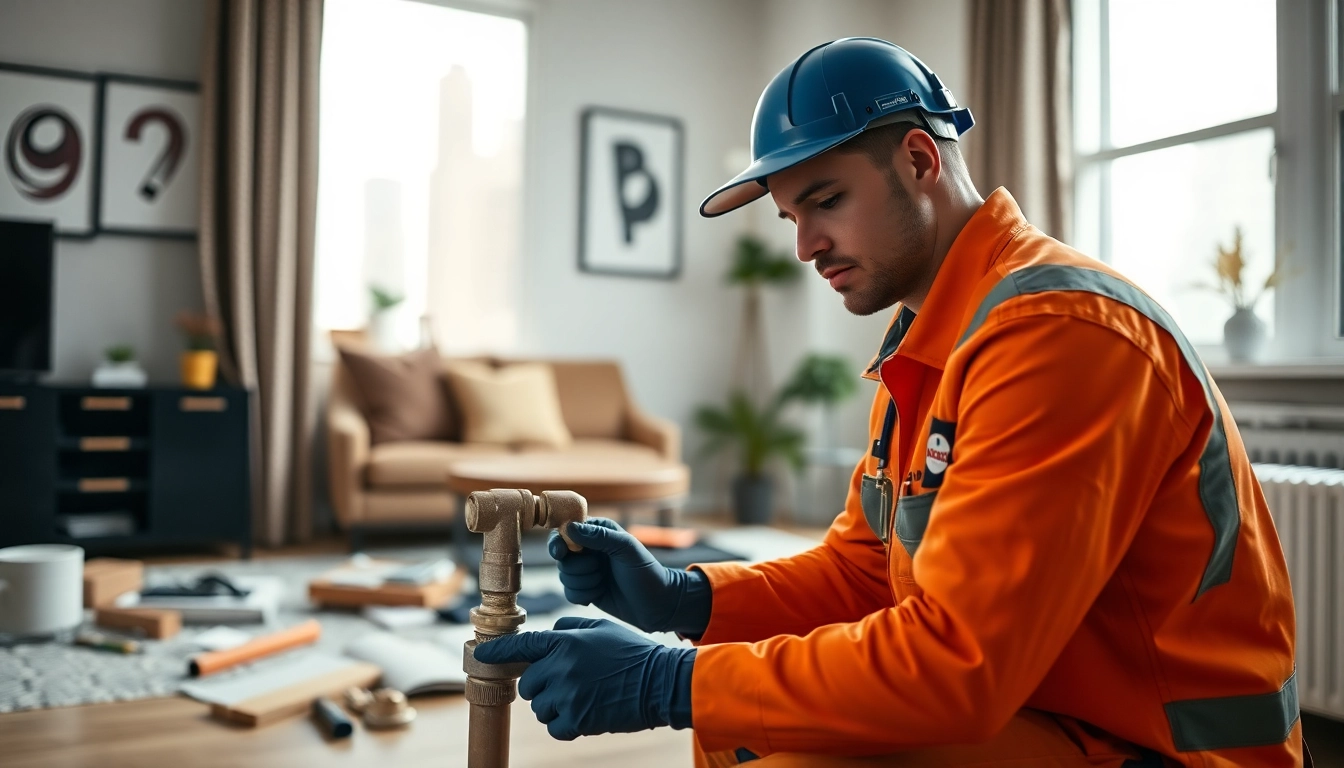
Expert Guide to Plumbing Emergency NYC: 2026 Solutions for Homeowners
Understanding Plumbing Emergencies in NYC
Plumbing emergencies can strike anytime, and when they do, the consequences can be severe. For residents and business owners in New York City, knowing when to act and how to respond is crucial. Plumbing issues are not only inconvenient; they can also lead to extensive damage and costly repairs if left unaddressed. Understanding the nature of these emergencies, their indicators, and the available resources can significantly mitigate the risks involved. If you’re faced with an incident, contacting a trusted service for a plumbing emergency nyc is essential to ensure swift resolution.
What Qualifies as a Plumbing Emergency?
A plumbing emergency generally involves situations that pose immediate risks to property, safety, or hygiene. Common qualifiers include:
- Severe leaks: Rapidly leaking pipes or fixtures can lead to flooding and significant water damage.
- Clogged drains: A blockage that prevents water from draining can cause overflowing, especially in sinks and toilets.
- Broken water heaters: If your hot water supply is interrupted, it may be an emergency, especially in cold weather.
- Sewer backups: These create health hazards due to exposure to waste.
- Burst pipes: These can lead to considerable flooding and even structural damage in a matter of minutes.
Common Plumbing Issues in Urban Areas
Living in a densely populated urban environment like NYC presents its unique set of plumbing challenges. Common issues include:
- Aging infrastructure: Older buildings often have outdated plumbing systems that are prone to failures.
- High demand: The sheer volume of water usage in a city can strain plumbing systems, leading to issues.
- Tree roots: In some neighborhoods, tree roots can infiltrate sewer lines, causing serious blockages.
Risk Factors Associated with Delayed Repairs
Ignoring plumbing issues can lead to escalating problems, which may include:
- Increased repair costs: Minor leaks can become major floods, leading to expensive repairs.
- Mold growth: Excess moisture can result in mold, posing health risks.
- Structural damage: Prolonged exposure to water can weaken foundations and walls.
Identifying Signs of a Plumbing Crisis
Recognizing a plumbing emergency before it spirals out of control can save you time, money, and stress. Here are crucial indicators:
Recognizing Urgent Plumbing Problems
Sometimes, plumbing issues evolve quickly into crises. Signs to look out for include:
- A sudden drop in water pressure, indicating a possible leak.
- Water stains on walls or ceilings, signaling hidden leaks.
- Unpleasant odors from drains, pointing to sewer issues.
Preventing Minor Issues from Escalating
Regular maintenance can help catch minor issues before they evolve into larger problems. Consider implementing:
- Routine inspections of plumbing fixtures and appliances.
- Annual drain cleaning to prevent clogs.
- Replacing old pipes with modern materials to reduce the risk of breaks.
When to Call a Plumber Immediately
If you notice any of the following, it’s time to call in the professionals:
- Overflowing toilets that cannot be cleared.
- Uncontrollable leaks or flooding.
- Signs of a sewer backup in any drains.
Choosing the Right Plumbing Services in NYC
With so many options available, selecting a reliable plumber can be daunting. Here are key considerations:
Evaluating Local Plumbing Companies
Research local plumbers by checking:
- Online reviews and ratings from previous customers.
- Licensing and insurance to ensure protection against liabilities.
- Service offerings to verify they meet your specific needs.
Understanding Service Pricing and Quotes
It’s important to request upfront quotes. Reputable companies should provide:
- Clear breakdowns of labor and materials.
- Information on any potential additional costs.
- Written estimates before any work begins.
Importance of Licensed and Insured Plumbers
Working with licensed professionals ensures that repairs are performed correctly. Insurance provides peace of mind in case of unexpected complications during service.
Best Practices for Managing Plumbing Emergencies
When a plumbing crisis occurs, acting swiftly is crucial. Here are some best practices to follow:
Immediate Steps to Take During a Plumbing Crisis
If you encounter a plumbing emergency:
- Shut off the water supply to prevent further damage.
- Evacuate any affected areas if there is risk of flooding.
- Contact a licensed plumber immediately.
Tips for Minimizing Damage Before Help Arrives
While waiting for the plumber, consider:
- Using buckets to catch leaking water.
- Removing valuables from flooded areas.
- Using towels or mops to soak up excess water.
Essential Tools Every Homeowner Should Have
Having a basic plumbing toolkit can be beneficial. Essential items include:
- A plunger for minor clogs.
- A pipe wrench for tightening fittings.
- Teflon tape for sealing pipe threads.
Future Trends in Plumbing Services in NYC
The plumbing industry is continuously evolving, especially in urban settings like NYC. Understanding upcoming trends can help you stay ahead:
Innovations in Plumbing Technology
New technologies are being developed to improve plumbing efficiency:
- Smart devices: These can monitor water usage and alert you to leaks.
- Eco-friendly materials: Sustainable plumbing options are gaining popularity.
- Remote diagnostics: Using cameras to inspect pipes without invasive procedures.
Anticipating the Needs of NYC Residents in 2026
As New York City evolves, so do the demands on plumbing services. Expect:
- Increased emphasis on green plumbing solutions.
- A focus on rapid-response services to address emergencies more effectively.
- Integration of smart home technology in plumbing.
Emerging Best Practices for Plumbing Maintenance
To maintain a reliable plumbing system, consider:
- Regular professional inspections.
- Investing in quality plumbing fixtures that last longer.
- Being proactive about repairs and maintenance.