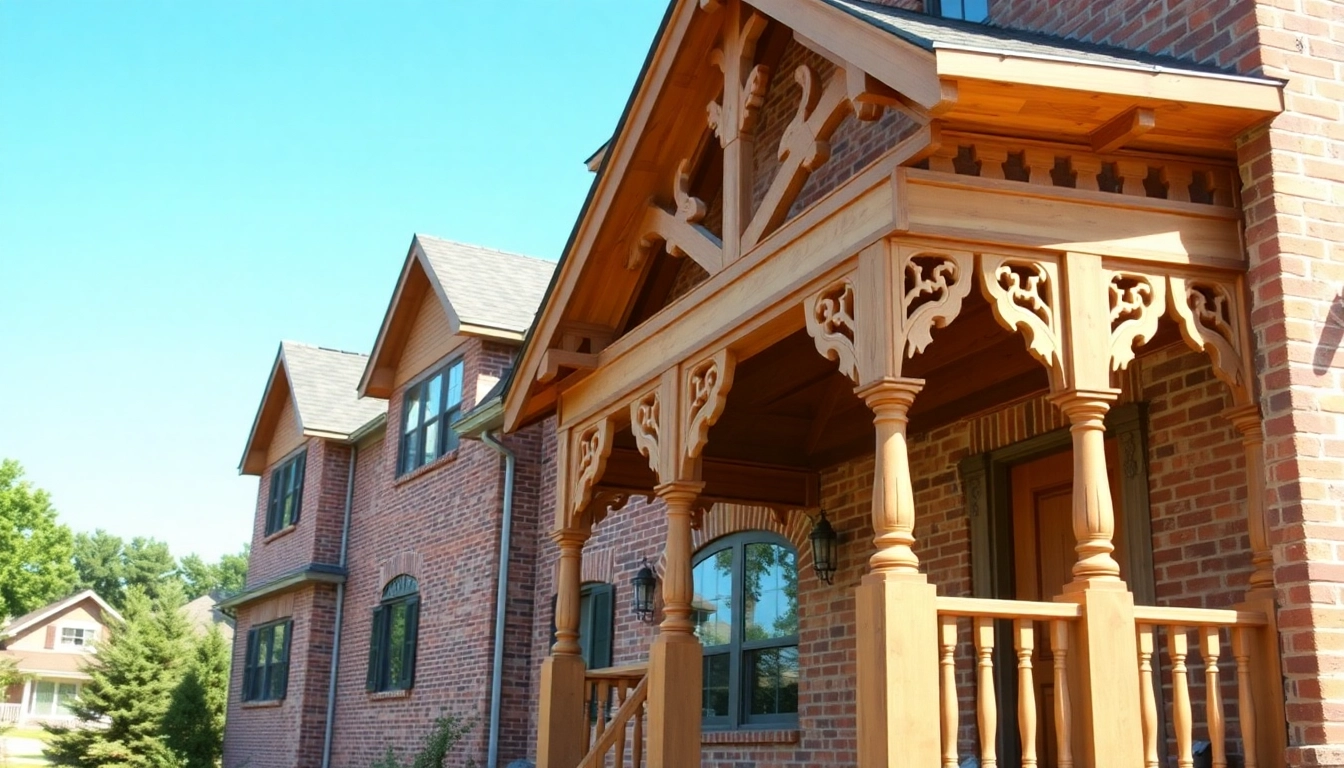
Mastering Colonial Home Construction: Tips and Techniques for Your Dream Project
Understanding Colonial Home Construction
The allure of colonial homes lies not only in their historical significance but also in their timeless aesthetic appeal. For individuals looking to build or renovate a colonial home, understanding the fundamentals of colonial home construction is crucial. This article will explore the history, core features, and various styles of colonial architecture while providing practical advice for prospective homeowners and builders.
The History and Significance of Colonial Architecture
Colonial architecture emerged as European settlers established colonies in North America from the early 1600s onwards. Characterized by its simplicity and functionality, colonial homes often reflected their cultural origins, combining elements from their native lands into new designs suitable for the American landscape. The significance of colonial architecture lies in its representation of an era fueled by exploration and ambition, giving birth to a style that epitomizes heritage and tradition.
As architectural styles evolved over the centuries, colonial homes became a canvas for regional interpretations influenced by climate, materials, and local traditions, resulting in various distinct styles, each with unique characteristics.
Core Features of Colonial Homes
Colonial homes typically feature a symmetrical façade, which can include a centrally located entrance flanked by evenly spaced windows. Roof styles vary but may include gable or hipped roofs, often with dormer windows to enhance attic space. Other hallmark features include:
- Rectangular shape and two or more stories
- Substantial chimneys, often situated at the ends
- Wooden siding, often painted or stained
- Landscaping that complements the home’s linear lines
These core attributes contribute to the home’s balance and harmony, underscoring the charm of colonial architecture.
Popular Styles within Colonial Home Construction
While ‘colonial’ is a broad term, several popular styles exist, each with specific geographic and cultural influences. Notable categories include:
- Georgian: Known for its formal symmetry, this style often showcases brick and detailed cornices.
- Federal: An evolution of Georgian style, it incorporates elegant and decorative elements.
- Dutch Colonial: Characterized by gambrel roofs and extensive overhanging eaves, often featuring large porches.
- Cape Cod: A more modest interpretation, typically a single-story structure with dormer windows.
- Southern Colonial: Often grand in scale with large porches and columns, reflecting the warmer climate.
Understanding these styles helps homeowners choose the one that resonates with their vision while paying homage to historic roots.
Planning Your Colonial Home Construction
Choosing the Right Location and Site
The first step in planning your colonial home construction is selecting a location that enhances your design’s appeal. Consider factors such as proximity to amenities, the natural landscape, and zoning restrictions. Colonial homes are best appreciated in settings that can accommodate their generous proportions, making larger lots in suburban or rural areas ideal.
Additionally, think about the orientation of your home to maximize natural light and maintain an inviting atmosphere indoors. A well-chosen site not only influences design but also affects the overall experience of living in your colonial home.
Budgeting for Colonial Home Construction
Establishing a realistic budget is critical in a successful colonial home construction project. Cost factors include land acquisition, materials, labor, and extras like landscaping and interior finishes. Researching local building costs can provide a baseline, but be sure to account for potential unexpected expenses.
It is advisable to create a detailed budget that prioritizes essential elements while allowing a buffer for enhancements that may arise during the construction process. Consulting with a financial expert or architect familiar with colonial constructions can offer valuable insights into budgeting effectively.
Finding the Right Architect for Your Vision
Choosing an architect who specializes in colonial home construction is imperative for translating your vision into reality. Look for someone who appreciates the nuances of colonial architecture and has a robust portfolio showcasing relevant projects.
During initial consultations, discuss your design preferences, budget, and the overall aesthetic you wish to achieve. A good architect should not only provide expert input but also be open to collaboration, ensuring your personal style is reflected throughout the design process.
Selecting Materials for Colonial Home Construction
Traditional vs. Modern Materials
When constructing a colonial home, the materials you choose significantly impact both the aesthetic and function. Traditional colonial homes were typically built with materials sourced locally, such as wood, brick, and stone. However, modern advancements have introduced various new materials that enhance durability, energy efficiency, and maintenance.
For authenticity, consider using reclaimed wood or traditional masonry alongside modern insulation techniques that improve energy efficiency. The balance between traditional and modern materials is essential for creating a home that stands the test of time while meeting contemporary lifestyle needs.
Understanding Energy Efficiency in Colonial Designs
Energy efficiency has become a critical focus in home construction, including colonial designs. Proper insulation, efficient windows, and HVAC systems tailored to your home’s design will improve energy performance and reduce utility costs.
Utilizing materials with high energy efficiency ratings ensures the home remains comfortable throughout different seasons, aligning modern living standards with historical authenticity.
Importance of Quality Craftsmanship
Quality craftsmanship is essential in colonial home construction. This architecture style requires attention to detail, particularly in the execution of features like moldings, staircases, and exterior finishes. Opting for experienced builders who appreciate the nuances of colonial craftsmanship is non-negotiable for achieving a stunning final product.
Investing in skilled artisans and craftspeople will not only enhance visual appeal but also ensure that your colonial home retains its structural integrity for generations.
Designing Your Colonial Home
Incorporating Modern Amenities While Maintaining Tradition
When designing a colonial home, integrating modern amenities can enhance functionality while preserving the traditional aesthetic. Consider incorporating advanced technology, such as smart home systems, into the original architecture without compromising the design’s integrity.
Innovative solutions like hidden wiring and energy-efficient appliances enable seamless integration of conveniences like climate control and security without disturbing the colonial feel.
Landscaping Tips to Complement Colonial Architecture
The right landscaping can significantly enhance the charm of your colonial home. Aim for design elements that emphasize symmetry and balance, such as formal gardens, pathways, and spacious lawns. Incorporate classic features like boxwood hedges or brick walkways that echo the home’s architecture.
Planting native species will not only preserve the environment but also require less maintenance while embracing the colonial tradition of blending nature with architecture.
Interior Design Ideas for Colonial Homes
The interior of a colonial home should reflect both functionality and beauty. Historic colonial homes often featured large fireplaces, which can be focal points in contemporary designs. Utilizing hardwood flooring and classic millwork will enrich the authenticity of your space.
Opt for warm color palettes with rich fabrics and traditional furnishings to cultivate an inviting atmosphere. Local artisans can also provide custom pieces that align with your interior vision, enhancing the home’s character.
Maintaining and Renovating Colonial Homes
Routine Maintenance Tips to Preserve Your Home’s Integrity
Like any home, routine maintenance is vital for preserving the integrity of colonial homes. Regularly inspect roofs, gutters, and siding for wear or damage, as these components are essential to keep your home weather-resistant. Pay attention to the foundation as well, ensuring there are no signs of settling or moisture intrusion.
Additionally, maintain the interior systems by scheduling periodic checks for plumbing, electrical wiring, and HVAC units to ensure they operate efficiently.
When to Consider Renovations or Upgrades
As homeowners’ needs evolve, considering renovations or upgrades becomes necessary. Factors such as lifestyle changes, expanding family size, or the desire for modern amenities could prompt renovations.
When planning upgrades, ensure they respect the existing structure and enhance the home’s historical charm instead of detracting from it. A well-planned renovation can create a harmonious blend between the old and the new.
Hiring Professionals for Restoration Projects
For significant restoration projects, hiring professionals with expertise in colonial architecture is crucial. Look for contractors and specialists with a portfolio of successful restorations and a deep understanding of the construction techniques original to the period. They’ll ensure that renovations maintain the home’s aesthetic and structural integrity.
Consultation with a detailed plan can lead to more successful and cohesive restoration efforts, enriching the home’s heritage while meeting modern needs.
Frequently Asked Questions
What are the main characteristics of colonial homes?
Colonial homes typically have a symmetrical design with a centered front door, evenly spaced windows, and a rectangular shape. They often feature wooden siding, large chimneys, and gable roofs.
How can I maintain the energy efficiency of my colonial home?
To maintain energy efficiency, regularly inspect insulation, use energy-efficient windows, and consider updated HVAC systems. Simple upgrades can significantly impact energy costs.
What is the best material for constructing a colonial home?
Wood, brick, and stone are traditional materials used in colonial construction. For modern builds, combining these with energy-efficient materials can enhance sustainability.
How do I choose an architect for my colonial home?
Select an architect who specializes in colonial architecture and has a portfolio that reflects your style. Their understanding of the nuances will ensure your vision is realized.
What renovations improve the value of colonial homes?
Renovations that modernize kitchens and bathrooms or maintain original features while enhancing energy efficiency often yield the best returns in value for colonial homes.