
Mastering the Matrice 400: Essential Insights for 2026
Introduction to the Matrice 400
The Matrice 400 represents a significant leap in drone technology, tailored for enterprise applications that demand precision, reliability, and versatility. Designed by DJI, this flagship model is not just another drone; it is a tool that enables industries to operate more efficiently while improving safety and reducing costs. With features that cater to aerial surveying, inspection, and emergency response, the Matrice 400 has garnered attention for its robust capabilities. When exploring options, matrice 400 provides comprehensive insights into its applications, specifications, and advantages.
What Makes the Matrice 400 Stand Out?
What sets the Matrice 400 apart from its competitors is its incredible flight autonomy and adaptability. It supports various payloads including high-res cameras and sensors, allowing for a wide range of applications from aerial mapping to thermal imaging. Its design incorporates a comprehensive obstacle avoidance system, ensuring operators can navigate through complex environments with confidence.
Key Features and Specifications
The technical specifications of the Matrice 400 reflect its suitability for professional use:
- Flight Time: Up to 59 minutes, depending on payload.
- Payload Capacity: Supports up to 6 kg, accommodating various sensors and cameras.
- Obstacle Sensing: Equipped with LiDAR and mmWave radar, enhancing safety during operation.
- Max Speed: Capable of reaching up to 25 m/s.
- Weather Resistance: Rated IP55, making it suitable for outdoor operations in varied conditions.
Applications Across Industries
The versatility of the Matrice 400 allows it to thrive in various industries, including:
- Public Safety: Used for search and rescue missions, providing real-time aerial footage.
- Infrastructure Inspection: Ideal for surveying power lines, bridges, and wind turbines.
- Agriculture: Assists in crop monitoring and analysis, helping farmers make data-driven decisions.
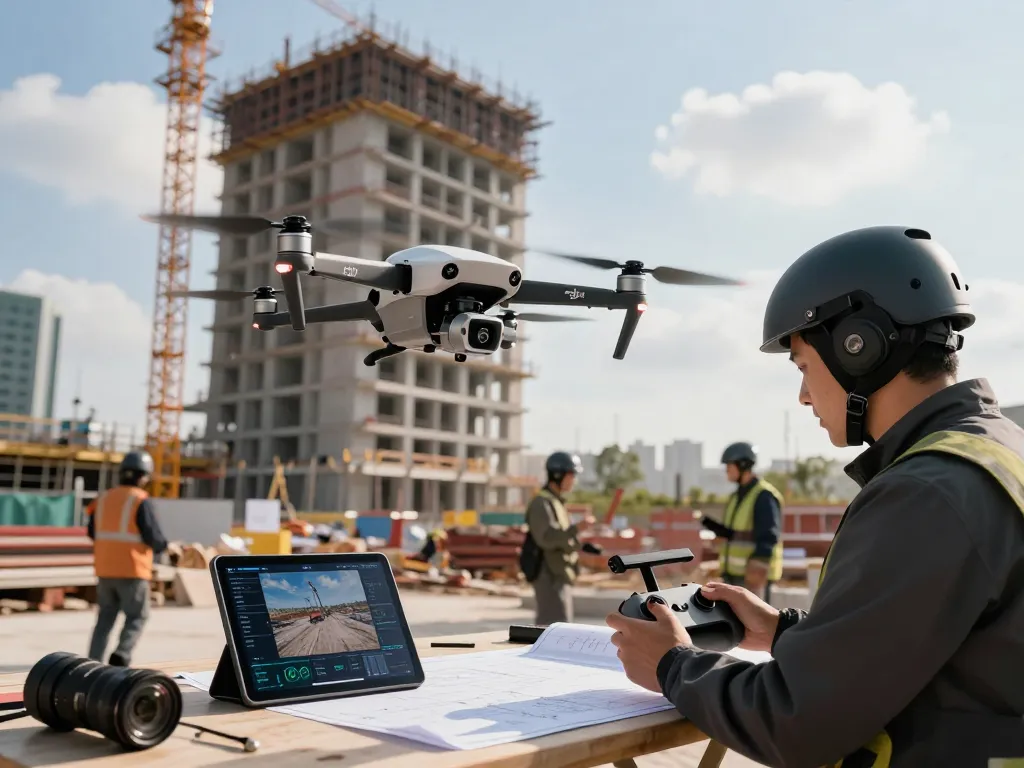
- Construction: Facilitates site surveys and progress tracking, improving project management.
Setting Up Your Matrice 400 for Success
Unboxing and Initial Setup
Upon receiving your Matrice 400, the unboxing experience is straightforward. It typically includes the drone, remote controller, batteries, and an instructional manual. Ensure you take the time to familiarize yourself with the components before proceeding to the initial setup. Proper handling during this phase will lay the foundation for successful flights.
Software and Firmware Installation
Before taking flight, it’s crucial to update the firmware of both the drone and remote controller. Download the DJI GO app, which will facilitate these updates and allow you to customize settings. Regular updates not only enhance performance but also introduce new features.
Calibration and Pre-Flight Checks
Calibrating the drone is essential to ensure accurate readings during operation. This process includes compass calibration and IMU calibration. Additionally, conducting pre-flight checks such as verifying battery levels, ensuring propellers are installed correctly, and confirming GPS signal strength is vital for safety and reliability.
Maximizing Performance and Safety
Flight Modes and Capabilities Explained
The Matrice 400 offers multiple flight modes to cater to various operational needs:
- GPS Mode: Ideal for automated flying and capturing data.
- ATTI Mode: Provides a more manual flying experience, allowing for increased flexibility and maneuverability.
- Course Lock and Home Lock: Assist with complex movements, enhancing operational efficiency.
Best Practices for Aerial Surveys and Inspections
When utilizing the Matrice 400 for aerial surveys, planning your flight path is essential. Use mapping software to optimize coverage and ensure you capture all necessary data. Conducting regular practice flights helps sharpen your piloting skills, making you more proficient in executing complex missions.
Common Challenges and Solutions
While flying the Matrice 400 presents numerous advantages, operators may encounter challenges such as signal interference and battery management. To address these issues, always fly within the visual line of sight, and carry extra batteries to extend mission duration. Additionally, maintaining awareness of local regulations helps avoid legal hurdles.
Advanced Techniques for Professional Use
Utilizing Payload Options Effectively
The payload versatility of the Matrice 400 opens doors to advanced applications. Depending on your specific needs, you can equip the drone with high-definition cameras, thermal sensors, or LiDAR units. Understanding how to optimize these tools for your particular industry will enhance your operational capabilities.
Integrating LiDAR and Thermal Imaging
LiDAR technology is revolutionizing industries such as forestry and construction by providing precise topographical data. Thermal imaging enhances inspection tasks, allowing for the detection of heat anomalies in electrical systems or building structures. Combining these technologies with the Matrice 400 maximizes data collection and analysis efficiency.
Case Studies of Successful Deployments
Successful deployments of the Matrice 400 can be observed in various real-world scenarios. For instance, a construction company used the drone for site surveys, resulting in a 30% reduction in survey time and improved accuracy in project planning. Similarly, public safety agencies have reported enhanced situational awareness during emergency response operations by utilizing aerial footage for decision-making.
Future Trends and Innovations in Drone Technology
The Evolving Role of Drones in Industry
The adoption of drones like the Matrice 400 is steadily increasing across various sectors, driven by advancements in automation and data collection technologies. As industries recognize the value of aerial insights, the integration of drones into everyday operations will become the norm.
Upcoming Features for the Matrice 400 Line
Future iterations of the Matrice line may incorporate even more sophisticated AI capabilities, enhanced battery life, and improved obstacle avoidance systems. Keeping abreast of these developments will be crucial for operators aiming to maintain a competitive edge in their respective fields.
Preparing for Regulatory Changes in 2026
As drone technology evolves, so too does the regulatory landscape. By 2026, significant changes are expected regarding airspace use and operational requirements. Staying informed and adapting to these changes will be essential for compliant and safe operations.
What is the maximum payload capacity of the Matrice 400?
The maximum payload capacity of the Matrice 400 is an impressive 6 kg, allowing for the integration of multiple sensors and cameras.
How does the Matrice 400 compare to other drones?
Compared to other drones in its class, the Matrice 400 excels in flight time, payload capacity, and advanced sensing capabilities, making it a preferred choice for enterprise applications.
What industries benefit most from using the Matrice 400?
Industries that benefit the most from the Matrice 400 include public safety, infrastructure, agriculture, and construction, all of which require precision and efficiency in data collection.
What safety features are included in the Matrice 400?
Safety features of the Matrice 400 include a comprehensive obstacle sensing system, redundant systems for critical components, and advanced flight modes that help ensure operational safety.
How long is the battery life of the Matrice 400?
The battery life of the Matrice 400 can reach up to 59 minutes under optimal conditions, though it will vary based on payload and environmental factors.


