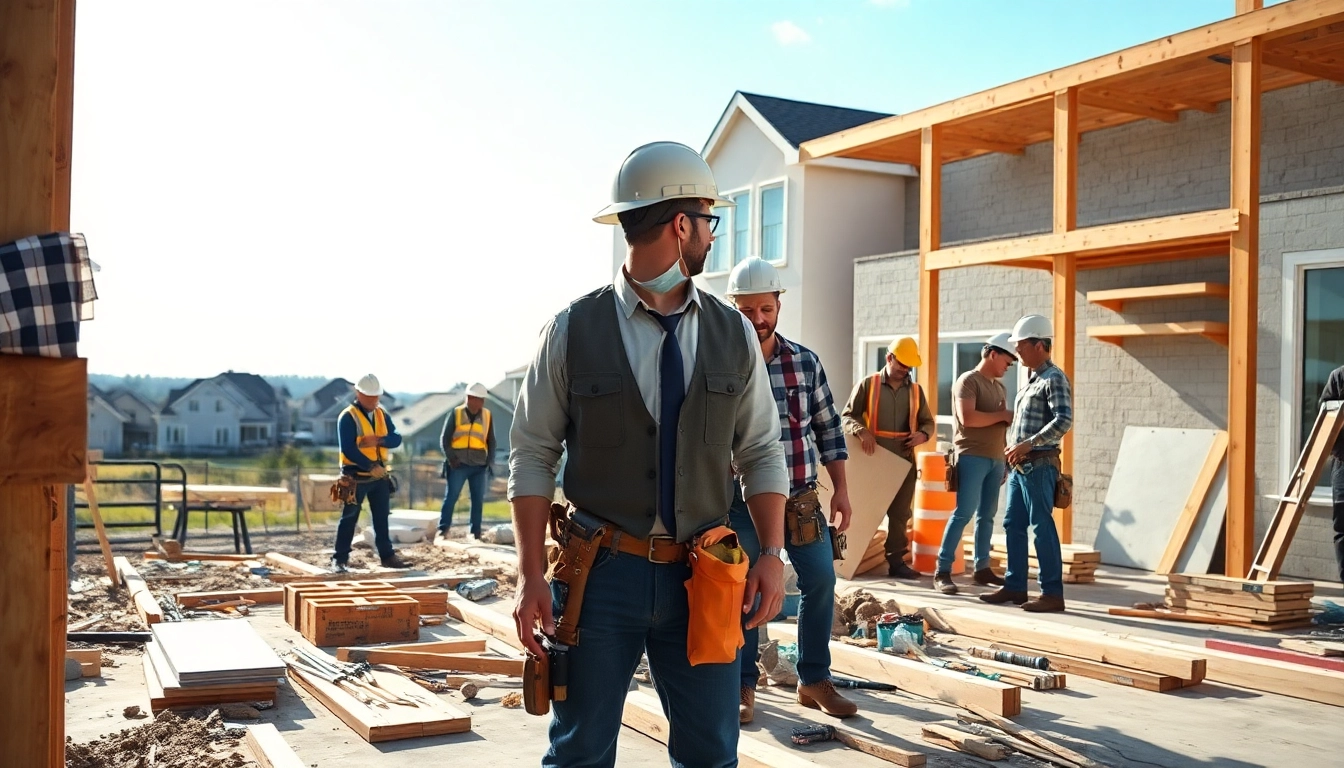
Top Qualities to Look for in a New Jersey General Contractor
Understanding the Role of a New Jersey General Contractor
Defining Key Responsibilities
A New Jersey General Contractor plays a pivotal role in the construction industry, serving as the primary point of contact for all parties involved in a project. They oversee the planning, execution, and completion of construction projects, including residential, commercial, and industrial sites. Their key responsibilities encompass managing schedules, budgets, quality control, and compliance with building codes.
This role requires a diverse skill set, as contractors must coordinate various resources to ensure timely and efficient project progression. Responsibilities often include hiring subcontractors, ordering necessary materials, scheduling inspections, and ensuring that the work adheres to safety regulations. Moreover, project managers must maintain transparent communication with clients to establish clear expectations and report on progress.
The Importance of Licensure and Insurance
In New Jersey, general contractors are required to have specific licenses and insurances to operate legally. A valid contractor’s license demonstrates that the individual has met all educational, experience, and examination requirements set by the state. This licensure not only boosts a contractor’s credibility but also protects clients from the risks associated with unlicensed work.
Additionally, obtaining general liability insurance is critical. This insurance safeguards against potential lawsuits or damages that may occur during the construction process. Workers’ compensation insurance is equally necessary, covering employees in case of injuries on the job site. Ensuring that contractors possess the appropriate licensure and coverage is paramount for homeowners and businesses seeking to complete construction projects responsibly.
Collaboration with Subcontractors and Clients
One of the most challenging aspects of being a New Jersey General Contractor involves managing relationships with subcontractors and clients. Contractors must develop a network of reliable subcontractors who possess various specialized skills, such as electrical work, plumbing, and HVAC systems. Effective communication with these subcontractors is crucial for ensuring that all aspects of a project align with the client’s vision and adhere to timelines.
Furthermore, contractors must effectively communicate with clients, maintaining transparency about project progress, potential challenges, and budget considerations. Recurring meetings or updates help to build trust and ensure that everyone is on the same page, which ultimately leads to smoother project execution and enhanced client satisfaction.
Identifying Essential Skills in a General Contractor
Project Management and Organization
Strong project management skills are essential for any general contractor. This involves excellent organizational abilities to juggle multiple tasks while adhering to strict timelines and budgets. An effective contractor is adept at creating detailed project plans, laying out comprehensive timelines, and allocating resources efficiently. This skill set ensures that projects are completed on schedule, minimizing delays and cost overruns.
Moreover, a well-organized contractor implements project management tools and software to streamline processes and enhance communication among team members. These tools can help track progress, document changes, and manage budgets effectively. A systematic approach to project management not only reduces inefficiencies but also promotes a higher quality of workmanship.
Strong Communication Skills
Communication is a cornerstone of effective project management in construction. A New Jersey General Contractor needs to clearly articulate project details, expectations, and updates to clients, subcontractors, and suppliers. This requires both verbal and written communication skills, as contracts, proposals, and reports must be drafted with professionalism and clarity.
In addition, active listening is a critical component of effective communication. By attentively understanding client requirements and concerns, contractors can better align their work with client expectations. Miscommunication can lead to costly mistakes, making it imperative for contractors to establish open lines of communication throughout the project lifecycle.
Problem-Solving and Critical Thinking
The construction process can be unpredictable, often presenting challenges that require swift and effective solutions. A successful general contractor must possess sharp problem-solving skills and the ability to think critically. This involves assessing situations, identifying potential issues, and formulating practical solutions.
For instance, adverse weather conditions, supply chain disruptions, or unexpected structural issues can arise at any moment. Effective contractors can analyze these challenges, weigh potential impacts, and adapt plans accordingly without compromising project integrity or timelines. Developing strong problem-solving abilities ensures that projects remain on track and within established budgets.
Benefits of Hiring a Local New Jersey General Contractor
Knowledge of Local Regulations
Engaging a local New Jersey General Contractor comes with the advantage of their in-depth knowledge of state and municipal building codes and regulations. These regulations can vary significantly from one location to another and can encompass aspects such as zoning laws, safety requirements, and environmental considerations. A local contractor can navigate these intricacies effectively without risking fines or project delays.
Furthermore, understanding the regulatory landscape can facilitate smoother permit acquisition processes, as established contractors likely have existing relationships with local authorities. Their familiarity with local codes can expedite approvals and minimize disruptions to the construction timeline.
Understanding Community Needs
Local contractors often understand the community’s specific needs, preferences, and architectural styles. Their familiarity with the region enables them to recommend designs and features that resonate with local aesthetic values and functional requirements. This localized knowledge can lead to more tailored and satisfying outcomes for clients.
Additionally, a local contractor’s connection to the community fosters trust and reliability. Clients may feel more confident in hiring a contractor who understands the local landscape, which often leads to a stronger partnership throughout the construction process.
Access to Reliable Local Suppliers
A cornerstone of a successful construction project is a reliable supply chain. Local New Jersey General Contractors have established relationships with suppliers, ensuring access to quality materials at competitive prices. This local network allows contractors to source materials efficiently, which contributes to streamlined project timelines.
Moreover, local suppliers can offer insights into regional material options that may not be widely available elsewhere. This can enhance the overall quality of construction and allow for the inclusion of materials that reflect local characteristics, ultimately resulting in more cohesive and satisfying outcomes for clients.
How to Evaluate Potential General Contractors
Checking References and Reviews
When considering a New Jersey General Contractor, it is crucial to conduct thorough due diligence by checking references and reading reviews. Reach out to past clients to gauge their experiences and satisfaction levels. Ask specific questions about the contractor’s communication skills, ability to meet deadlines, and adherence to budgets.
Online platforms such as Yelp, Google Reviews, and Angie’s List can provide valuable insights into a contractor’s reputation. Pay attention to recurring themes in reviews, both positive and negative, as they can indicate areas of strength or concern in the contractor’s work.
Requesting Detailed Estimates
A reliable general contractor should provide a detailed estimate that outlines all anticipated costs associated with the project. This includes labor, materials, permits, and any other relevant fees. It is essential to compare estimates from multiple contractors to ensure fair pricing and understand market rates for your specific project type.
Additionally, robust estimates should include timelines for each phase of the project. This clarity enables clients to manage their expectations and plan accordingly. Contractors who provide transparent and comprehensive estimates demonstrate professionalism and a commitment to client satisfaction.
Scheduling In-Person Consultations
An in-person consultation is a fundamental step in evaluating potential general contractors. This meeting allows clients to discuss their project vision, ask questions, and assess the contractor’s knowledge and personality. A face-to-face meeting can reveal a contractor’s willingness to listen and understand project requirements and foster a connection that is important for collaboration.
During the consultation, be sure to inquire about the contractor’s previous projects and request to see a portfolio of their work. This offers a practical insight into their skills and can help clients envision how the contractor might approach their specific project.
FAQs About New Jersey General Contractors
What are the typical fees charged by New Jersey General Contractors?
Fees vary but typically range from 10-20% of the total project cost, depending on complexity and scope, providing flexibility based on the specific project requirements.
Do I need to obtain a permit for my construction project?
Yes, most construction projects in New Jersey require permits to ensure compliance with local building codes. It is essential to check local regulations beforehand.
How can I check a contractor’s credentials?
You can verify a contractor’s licensing and insurance through the New Jersey Division of Consumer Affairs website, which provides essential information to assess their qualifications.
How long does a typical project take?
Project duration depends on size and complexity, but most renovations take several weeks to a few months. Discuss timelines with your contractor for a clearer estimate.
Are there warranties or guarantees offered by contractors?
Many contractors provide warranties on workmanship or materials, usually ranging from one to five years, ensuring a level of reassurance for the client post-project completion.