Why Ceramic Window Tint Is Essential for Your Vehicle’s Comfort and Protection
Understanding Ceramic Window Tint
What Is Ceramic Window Tint?
Ceramic window tint is a premium window film made from ceramic particles. Unlike traditional dyes or metallic films, ceramic window tints utilize advanced technology to provide superior performance. The unique ceramic formulation allows the film to reject heat effectively while still allowing natural light to enter. This innovative approach results in enhanced comfort for passengers and protection for your vehicle’s interior. The ceramic window tint is particularly favored for its durability, as it does not fade or discolor over time, maintaining its effectiveness and appearance.
Benefits of Using Ceramic Window Tint
Choosing ceramic window tint comes with a plethora of benefits. Firstly, its heat rejection properties can significantly enhance the comfort of your car by lowering interior temperatures on hot days. Research indicates that quality ceramic films can block up to 99% of harmful UV rays, providing additional protection against skin damage and preserving the integrity of the vehicle’s upholstery.
Moreover, ceramic window tint minimizes glare that can hinder visibility, making driving safer, especially under bright sunlight. An often-overlooked benefit is the privacy it affords, allowing occupants to feel more secure while keeping the vehicle’s interior out of view. When you invest in ceramic window tint, you are also investing in the longevity and aesthetic appeal of your vehicle.
How Ceramic Window Tint Compares to Other Types
Comparing ceramic window tint with other types of window films, such as dyed and metalized tints, reveals distinct advantages. Dyed tints offer limited heat rejection and can fade over time, while metalized tints may interfere with GPS and cellular signals. In contrast, ceramic window tints provide excellent heat rejection without any of the signal interference issues. Furthermore, ceramic films do not contain metals, which means they won’t corrode over time. Essentially, ceramic window tints combine the best features of other films while eliminating their drawbacks.
Key Features of Ceramic Window Tint
Heat Rejection Properties
One of the standout features of ceramic window tint is its exceptional heat rejection capabilities. This film is engineered to reflect a greater amount of solar heat compared to traditional films. By blocking infrared radiation, ceramic tints can help maintain cooler interior temperatures, reducing air conditioning costs. Studies indicate that high-quality ceramic films can reject up to 70% of solar heat, creating a comfortable driving experience even in the hottest conditions.
UV Protection and Skin Safety
Ceramic window tint is particularly effective in blocking harmful ultraviolet (UV) radiation. Prolonged exposure to UV rays can cause skin damage and accelerate aging. With ceramic films blocking up to 99% of UV radiation, they provide an essential layer of protection for vehicle occupants. This feature becomes increasingly important for families with children or individuals who are particularly sensitive to sunlight.
Visibility and Aesthetic Appeal
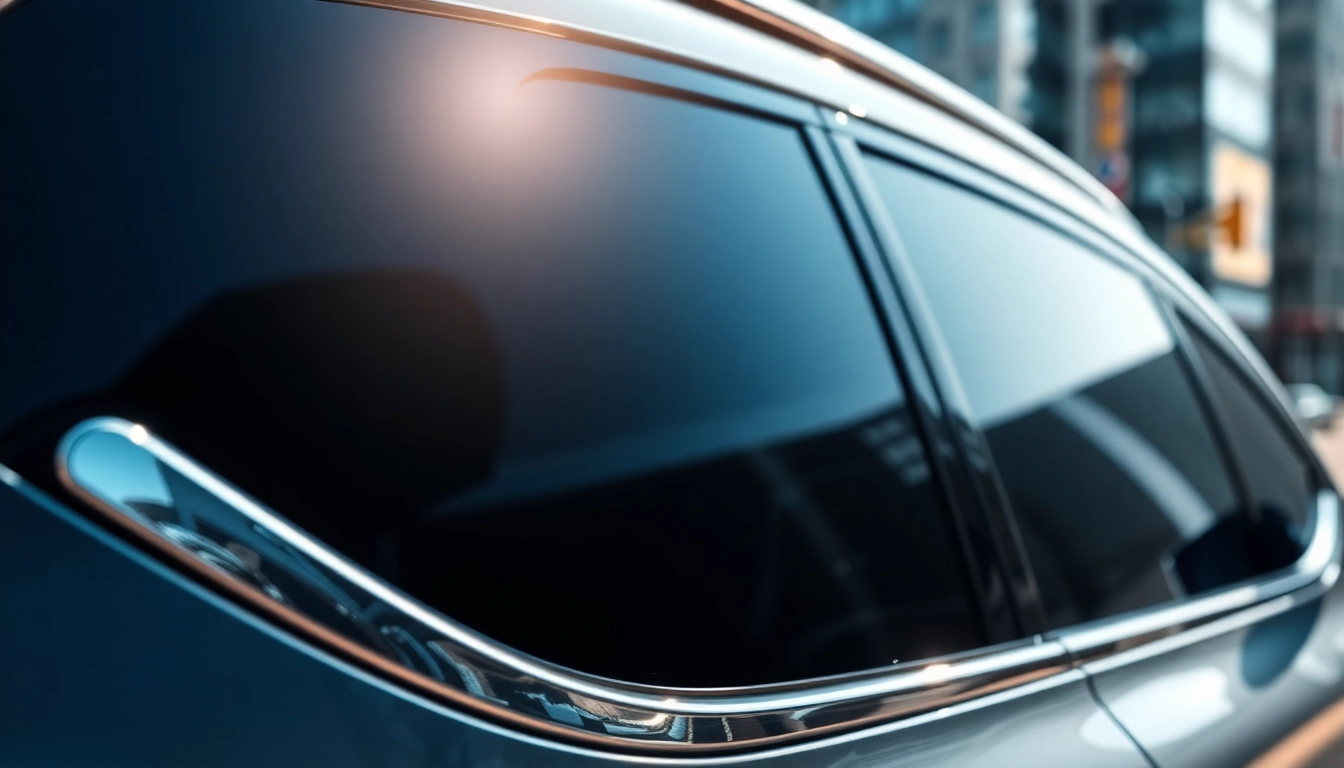
In addition to practical benefits, ceramic window tint enhances the visual appeal of your vehicle. Available in a variety of shades, it can improve your vehicle’s aesthetic without compromising visibility. The technology used in ceramic tints ensures that they maintain a clear view, unlike darker films that can obstruct sightlines. This balance of aesthetics and safety is a crucial consideration for many vehicle owners.
Installation Process of Ceramic Window Tint
Preparing Your Vehicle for Tinting
Proper preparation is key to achieving the best results with ceramic window tint. Before installation, it’s advisable to clean the windows thoroughly to remove dirt and debris. Additionally, removing any existing window film is crucial, as leftover residues can compromise the new tint’s adhesion. A well-prepared surface ensures better application and longevity of the film.
Steps Involved in Professional Installation
While some may choose to install ceramic window tint themselves, professional installation is recommended for optimal results. The process typically involves measuring and cutting the film to fit each window accurately. Next, the applicator uses a solution to adhere the film to the glass, ensuring a smooth application without air bubbles. Finally, the edges are trimmed, and the film is carefully cured, which can take a few days to achieve maximum bond strength.
Common Mistakes to Avoid During Installation
Several common pitfalls can occur during the installation process of ceramic window tint. One major mistake is applying the tint on dirty or wet windows, which can lead to bubbling and peeling. Additionally, underestimating the heating and curing process can result in a poorly adhered film. Ensuring even application and allowing adequate time for the film to cure are critical for longevity and performance.
Maintaining Your Ceramic Window Tint
Best Practices for Care and Maintenance
Maintaining your ceramic window tint is relatively straightforward, but adhering to best practices can extend its lifespan. Avoid using abrasive materials or harsh chemicals when cleaning tinted windows. Instead, a soft cloth along with mild soap and water is often sufficient. Regular inspections can help spot any potential issues early, preventing costly repairs or replacements.
Cleaning Techniques for Longevity
For optimal results, using the right cleaning techniques is essential. After installation, it’s advisable to wait at least a week before washing the windows to allow the adhesive to fully bond. When cleaning, using a non-ammonia-based glass cleaner ensures the tint remains intact. Gently sponge or wipe the glass can prevent scratches and prolong the clarity of the tint.
Signs It’s Time for a Replacement
Despite its durability, ceramic window tint may eventually require replacement. Signs to look out for include discoloration, bubbling, or peeling at the edges. These indicators suggest that the film’s effectiveness is compromised and should be addressed promptly. Regular maintenance and timely replacement will help ensure continuous protection and comfort.
Frequently Asked Questions About Ceramic Window Tint
What is the lifespan of ceramic window tint?
Ceramic window tint typically lasts 10 to 15 years, provided it is properly maintained. Factors such as location and care influence durability.
Can I DIY install ceramic window tint?
While DIY installation is possible, professional installation is recommended for optimal results. Amateur application may lead to bubbles or misalignment.
Does ceramic window tint affect visibility?
No, ceramic window tint maintains visibility while reducing glare. Many options keep inside views clear, enhancing safety while driving.
Is ceramic window tint legal in all states?
Regulations vary by state regarding window tinting. Check local laws to ensure compliance with legal tint limits for your vehicle.
How much heat does ceramic window tint reject?
Ceramic window tint can reject up to 70% of solar heat, significantly improving interior comfort and reducing air conditioning demands.