Why Choosing a Mitsubishi Mini Split AC is Essential for Home Comfort
The Benefits of Mitsubishi Mini Split AC
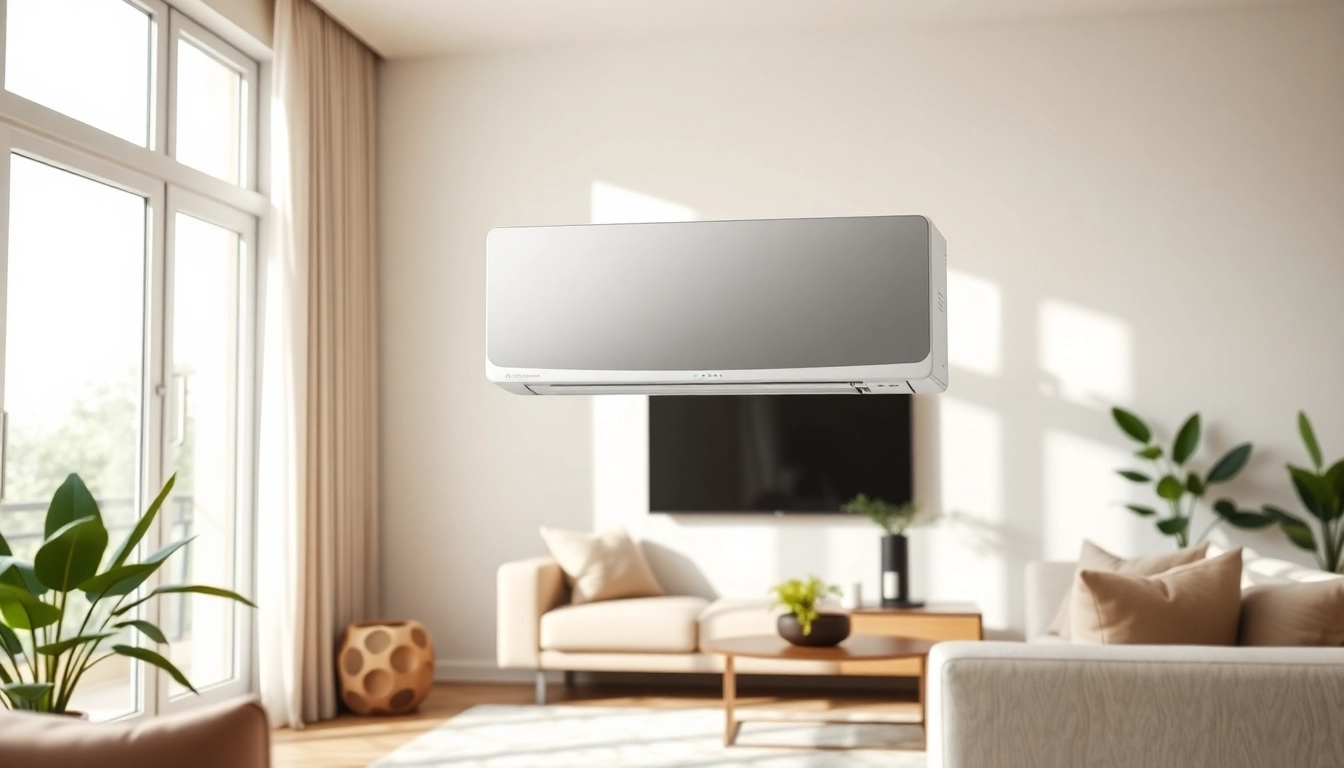
The mitsubishi mini split ac systems are revolutionizing the concept of home comfort, offering numerous advantages over traditional air conditioning systems. These systems consist of an outdoor compressor and one or more indoor air handlers, providing a versatile solution for heating and cooling spaces efficiently. Let’s dive into the main benefits that make Mitsubishi mini split AC a smart choice for your home or office.
Energy Efficiency of Mitsubishi Mini Split AC
Energy efficiency is one of the standout features of the Mitsubishi mini split AC systems. These units utilize inverter technology, which adjusts the compressor speed based on the indoor temperature needs, minimizing energy consumption. This efficiency not only translates into reduced utility bills but also contributes to a lower carbon footprint, making it an eco-friendly option.
For instance, many models achieve high SEER (Seasonal Energy Efficiency Ratio) ratings, often exceeding 20. This metric allows consumers to compare the efficiency of air conditioning systems, where higher numbers indicate better efficiency. When installed correctly, Mitsubishi mini split systems can lead to savings of up to 30% compared to traditional systems, making them a cost-effective long-term choice for homeowners.
Quiet Operation and Comfort
Another major benefit of Mitsubishi mini split AC units is their quiet operation. Unlike traditional central air conditioning systems, which can be noisy and disruptive, these mini splits are designed to operate quietly. Indoor units typically produce noise levels as low as 19 dB, which is comparable to a whisper. This silent performance ensures a comfortable environment, whether you’re working, sleeping, or relaxing.
Moreover, the precise temperature control capabilities of Mitsubishi mini splits allow for better comfort settings. These systems can be responsive to minute temperature changes, providing consistent airflow and reducing hot or cold spots in a room. The result is a more comfortable indoor climate regardless of the outside weather conditions.
Easy Installation and Maintenance
The installation process for Mitsubishi mini split AC systems is typically less invasive than that of traditional HVAC systems. With no need for extensive ductwork, installation can often be completed within a few hours. The only requirement is a small hole to connect the indoor and outdoor units. This streamlined installation process minimizes disruption to your home.
Maintenance is equally straightforward. Regularly cleaning the filters and performing seasonal checks on the units can prolong their lifespan and ensure optimal performance. Mitsubishi also provides clear manuals and online resources to simplify maintenance tasks, making it user-friendly for homeowners who prefer a hands-on approach.
Choosing the Right Mitsubishi Mini Split AC for Your Space
Selecting the best Mitsubishi mini split AC for your space involves careful consideration of your specific heating and cooling needs. Here are key factors to keep in mind to ensure optimal comfort and efficiency.
Understanding BTUs for Proper Sizing
BTU (British Thermal Unit) capacity is crucial when choosing a mini split system. It represents the amount of energy needed to cool or heat a specific space effectively. An undersized unit may struggle to maintain the desired temperature, while an oversized unit can lead to inefficient operation and higher energy bills.
A good rule of thumb is to calculate the required BTUs based on the size of the space you intend to cool or heat. The general guideline is about 20 BTUs per square foot of living area. For specific rooms with particular heating or cooling demands, adjustments may need to be made based on factors like insulation, number of windows, and room usage.
Single-zone vs Multi-zone Systems
Mitsubishi offers both single-zone and multi-zone mini split systems, each serving different needs. A single-zone system consists of one indoor unit connecting to a single outdoor unit, suitable for heating or cooling a particular area. This type of setup is ideal for apartments, home additions, or any smaller spaces where individual temperature control is priority.
A multi-zone system, on the other hand, allows homeowners to connect multiple indoor units to one outdoor unit, each providing independent temperature control. This flexibility is advantageous for larger homes, allowing different rooms or zones to maintain unique settings, increasing comfort while controlling energy use.
Considering Your Home Layout
Your home’s layout plays a significant role in determining the best Mitsubishi mini split AC system for your needs. Consider where you spend the most time or where temperature control is paramount. Rooms that receive full sunlight may require a higher BTU output, while shaded areas may need less cooling power.
Additionally, think about the accessibility for placing indoor and outdoor units. Indoor units can be mounted on walls or ceilings, but positioning them for optimal air distribution is key. A layout that promotes good airflow will enhance system efficiency and comfort throughout the home.
Installation Best Practices for Mitsubishi Mini Split AC
Where to Position Your Indoor Unit
The position of the indoor unit plays a crucial role in thermostat accuracy and air distribution. Ideally, it should be placed high up on a wall, allowing cool air to flow downward effectively. Avoid positioning the unit in corners or behind furniture to prevent airflow blockage.
Also, consider the proximity to heat sources, such as direct sunlight or appliances, which can cause inaccurate temperature readings. Conversely, avoiding placement in consistently shaded areas ensures the unit doesn’t overcompensate for cooler temperatures, which could lead to excess energy consumption.
Outdoor Installation Tips
When installing the outdoor unit, choose a location that allows for adequate airflow and is protected from the elements. Setting the unit on a concrete pad or brackets elevated above ground level can help avoid issues with debris or flooding. Ensure there’s sufficient clearance around the unit to allow for maintenance access as well as airflow.
Additionally, protecting the unit from direct sunlight can enhance efficiency. Using shading techniques like awnings or strategically placed landscaping can help extend the lifespan of the outdoor unit while improving performance.
Common Mistakes to Avoid
Installing a Mitsubishi mini split AC system requires careful attention to detail. Common mistakes include incorrect sizing, improper placement, and neglecting to follow electrical requirements. Failure to size the units appropriately could result in poor performance and higher operational costs.
Furthermore, overlooking manufacturer guidelines during installation can lead to voiding warranties or causing maintenance issues. It’s advisable to consult an HVAC professional if you’re uncertain about installation procedures to ensure everything is set up correctly from the start.
Maintaining Your Mitsubishi Mini Split AC for Longevity
To maximize the performance and longevity of your Mitsubishi mini split AC systems, regular maintenance is essential. Below are key maintenance practices to consider.
Regular Cleaning and Filter Maintenance
One of the simplest yet most effective ways to maintain your mini split system is by regularly cleaning the filters. Clogged or dirty filters can restrict airflow, leading to inefficiency and increased energy costs. It’s recommended to check and clean the filters every month and replace them at least once per season, or more often if you have pets or live in dusty conditions.
Cleaning the outdoor unit is also crucial. Remove debris, leaves, and dirt from around the condenser to ensure optimal airflow. Regular cleaning helps prevent the buildup of dirt that could lead to operational challenges.
Seasonal Check-ups and Professional Inspections
Seasonal check-ups by a professional HVAC technician can identify potential issues before they escalate. Technicians typically perform extensive inspections that include checking refrigerant levels, evaluating electrical connections, and testing the thermostat function. These professional inspections will help ensure your system runs efficiently and effectively.
Identifying Issues Early On
Being vigilant about any changes in your system’s operation can aid in early problem identification. Signs such as unusual noises, a sudden spike in energy bills, or inconsistent temperature control might indicate underlying issues. Addressing these problems swiftly with professional help can prevent costly repairs and downtime.
Frequently Asked Questions about Mitsubishi Mini Split AC
What Size Mitsubishi Mini Split AC Do I Need?
The size of your Mitsubishi mini split AC should be determined based on the BTUs appropriate for your space. As a general guideline, allocate about 20 BTUs for each square foot of living area to find the ideal unit size.
How Does a Mitsubishi Mini Split AC Save Energy?
Mitsubishi mini split AC systems save energy through inverter technology, which optimizes compressor speed based on demand, reducing energy consumption and costs compared to traditional systems.
Are Mitsubishi Mini Split AC Units Noisy?
No, Mitsubishi mini split AC systems are designed for quiet operation, with indoor units generating noise levels as low as 19 dB, comparable to a whisper, ensuring comfort in any setting.
Can I Install a Mitsubishi Mini Split AC Myself?
While it’s possible to install a Mitsubishi mini split AC yourself, professional installation is recommended to ensure compliance with electrical and building codes, maximizing efficiency and minimizing warranty issues.
What is the Lifespan of a Mitsubishi Mini Split AC?
With proper maintenance, a Mitsubishi mini split AC can last between 15 to 20 years, far exceeding the typical lifespan of traditional HVAC units, making it a durable choice for home comfort.