5 Hard Truths About dpconsteel.in PEB Solutions in 2026
The Evolution of Pre-Engineered Buildings
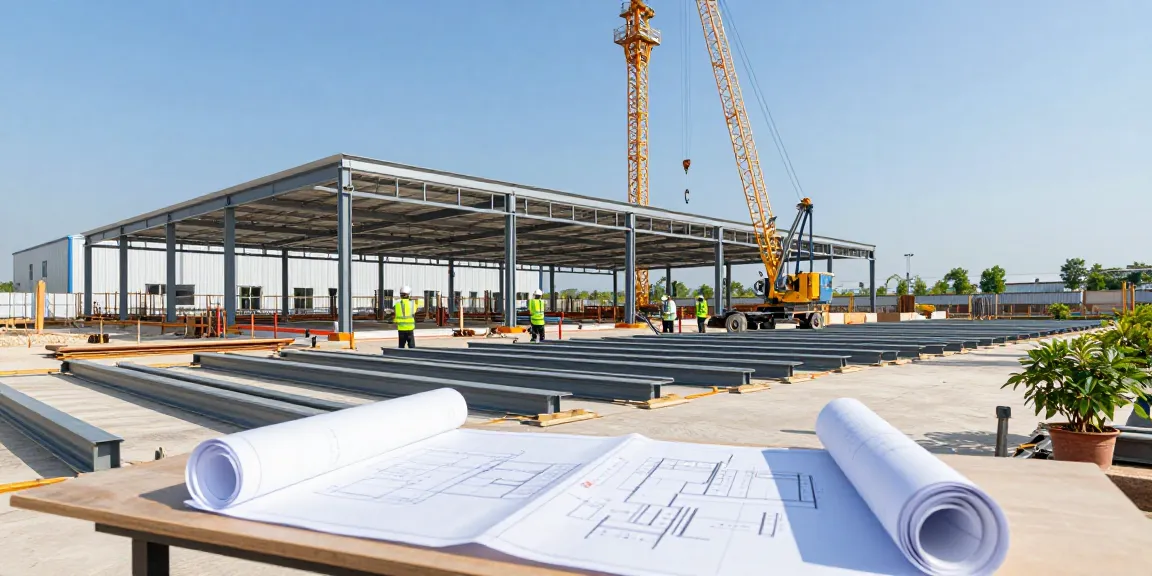
Over the past few decades, the construction industry has undergone significant transformations, particularly with the rise of Pre-Engineered Buildings (PEB). These innovative structures have emerged as a response to the growing demand for efficient and cost-effective building solutions. Unlike traditional construction methods that can be labor-intensive and time-consuming, PEBs are fabricated off-site and assembled on location, providing a faster and often more economical alternative. dpconsteel.in stands at the forefront of these advancements, offering tailored solutions that meet the unique needs of various industries.
Historical Context of PEB Solutions
The concept of pre-engineered buildings dates back to the mid-20th century when the need for rapid construction methods became evident. Initially utilized for military applications and temporary structures, the technology has since evolved. Today, PEBs are widely used across multiple sectors, including industrial, commercial, and institutional settings. Their ability to allow for flexibility in design while adhering to strict timelines has garnered popularity, setting a new standard in the construction landscape.
Current Trends in the PEB Market
As we move further into the 21st century, several trends are shaping the PEB market:
- Sustainability: The shift toward eco-friendly construction practices has led to the increasing use of sustainable materials and energy-efficient designs in PEBs.
- Customizability: Modern technologies allow for highly customizable structures that can cater to specific client requirements.
- Integration of Technology: The advent of smart technologies is enabling building automation, enhancing efficiency and user experience.
Impact of Technology on PEB Design
Advancements in design software and manufacturing technologies have revolutionized the way pre-engineered buildings are conceived and constructed. Using Building Information Modeling (BIM), architects and engineers can create detailed, 3D models that facilitate better planning and execution. Furthermore, automation in manufacturing processes ensures precision in the components produced, reducing waste and improving overall quality. These technological impacts significantly contribute to the durability and longevity of pre-engineered buildings.
Key Benefits of dpconsteel.in’s Building Solutions
When businesses seek building solutions, dpconsteel.in provides a host of advantages that stand out in the competitive market. Here are the primary benefits:
Cost-Effectiveness and Efficiency
PEBs are designed to minimize labor costs and construction time, providing substantial savings for clients. The pre-fabricated nature of these buildings allows for quicker assembly, significantly reducing the total project timeline. Furthermore, the efficient use of materials minimizes waste, leading to lower overall expenses.
Customizability for Diverse Industries
A significant advantage of PEBs is their adaptability. Whether it is a factory warehouse or a sports facility, pre-engineered buildings can be tailored to meet the specific needs of various industries. This flexibility in design ensures that each structure can serve its intended purpose effectively, allowing for the incorporation of various features such as insulation, ventilation, and aesthetic finishes.
Sustainability in Construction Practices
As environmental concerns rise, the construction industry is leaning toward sustainable practices. Pre-engineered buildings align with this trend, allowing for the use of green materials and energy-efficient designs. Many PEBs can incorporate solar panels, rainwater harvesting systems, and other sustainable technologies, reducing the overall carbon footprint of the structures.
Industries Leveraging DP Consteel PEB Solutions
DP Consteel’s PEB solutions are versatile, catering to a broad spectrum of industries. Below are some key sectors that benefit from these innovative building solutions:
Industrial Sector Innovations
The industrial sector has seen significant advancements with the integration of pre-engineered buildings. Factories and warehouses are increasingly opting for PEBs due to their quick construction time and adaptability to specific manufacturing processes. Custom features can include high ceilings for machinery, expansive floor plans for production lines, and durable materials suitable for heavy loads.
Applications in Infrastructure Development
Infrastructure projects, including bridges, airports, and public transportation facilities, are increasingly utilizing PEBs. The structural efficiency and design flexibility of pre-engineered buildings allow for innovative solutions that can meet the demanding requirements of modern infrastructure.
Customized Solutions for Institutional Needs
Institutions such as schools, hospitals, and recreational facilities benefit greatly from PEBs. These structures can be designed to accommodate specific spatial needs, provide energy-saving features, and create environments that enhance user experiences, ultimately contributing to improved functionality and satisfaction.
Challenges and Misconceptions in PEB Construction
Despite their many advantages, pre-engineered buildings are often met with skepticism. Understanding these challenges is vital for clients considering PEB solutions.
Understanding Structural Limitations
Some clients may worry that PEBs lack structural integrity compared to traditional construction. However, with the right engineering practices and materials, PEBs can be designed to meet or exceed building codes and standards, ensuring safety and longevity even in challenging environments.
Addressing Client Concerns about Durability
Another common misconception is that pre-engineered buildings are less durable. In reality, when constructed using high-quality materials, PEBs can withstand extreme weather conditions and wear over time, making them a reliable choice for various applications.
Myths about Cost and Time Efficiency
Many potential clients erroneously believe that PEBs are more expensive due to perceived customization costs. In contrast, the efficiency of the manufacturing process and the speed of construction often translate to lower overall costs, making PEBs a more economical choice in the long run.
Future Trends in Pre-Engineered Building Solutions
As technology continues to advance, the future of pre-engineered buildings looks bright. Several trends are expected to influence the design and construction industry in the coming years:
Technological Advances Shaping the Industry
Emerging technologies such as Artificial Intelligence (AI) and machine learning are poised to further enhance the design, planning, and execution of PEB projects. AI can assist in optimizing designs, predicting construction challenges, and streamlining project timelines.
Predictions for Growth and Development by 2026
Industry experts predict that the PEB market will continue to grow, driven by the increasing demand for sustainable, cost-effective, and customizable building solutions. As more industries recognize the benefits of pre-engineered buildings, their adoption is expected to surge significantly over the next few years.
Best Practices for Optimal Project Implementation
To capitalize on the advantages of PEBs, it is vital for organizations to engage in thorough planning and collaboration with experienced manufacturers like DP Consteel. Establishing clear communication, defining specific needs, and leveraging innovative design techniques can ensure successful project outcomes.
What are the main advantages of pre-engineered buildings?
Pre-engineered buildings offer several advantages, including reduced construction time, cost savings, design flexibility, and sustainability. These benefits make them a preferred choice in various industries.
How does DP Consteel ensure quality in its construction?
DP Consteel emphasizes quality assurance through rigorous manufacturing standards, advanced technologies, and a skilled workforce, ensuring each structure meets safety and performance requirements.
What industries benefit the most from PEB solutions?
Industries such as manufacturing, logistics, healthcare, education, and infrastructure development are among those that benefit significantly from pre-engineered buildings by leveraging their customizable and efficient nature.
Can pre-engineered buildings meet specific regulatory standards?
Yes, pre-engineered buildings are designed and constructed to meet local and international building codes and regulations, ensuring compliance while accommodating specific project requirements.
What innovations can we expect in the PEB market in 2026?
By 2026, we can anticipate further advancements in automation, AI integration, and the use of eco-friendly materials in PEB construction, enhancing their adaptability and sustainability.