Choosing the Right Hinge Supplier for Quality and Reliability
Understanding Hinge Supplier Options
When selecting a hinge supplier, it’s essential to have a comprehensive understanding of the options available in the market. Hinge suppliers provide various types of products designed for different applications, from residential to industrial use. They’re integral to ensuring that the doors, cabinets, and other structures function as intended, relying on their hinges for stability and functionality. Hinge Supplier is crucial for builders, contractors, and DIY enthusiasts alike.
Types of Hinge Supplier Products
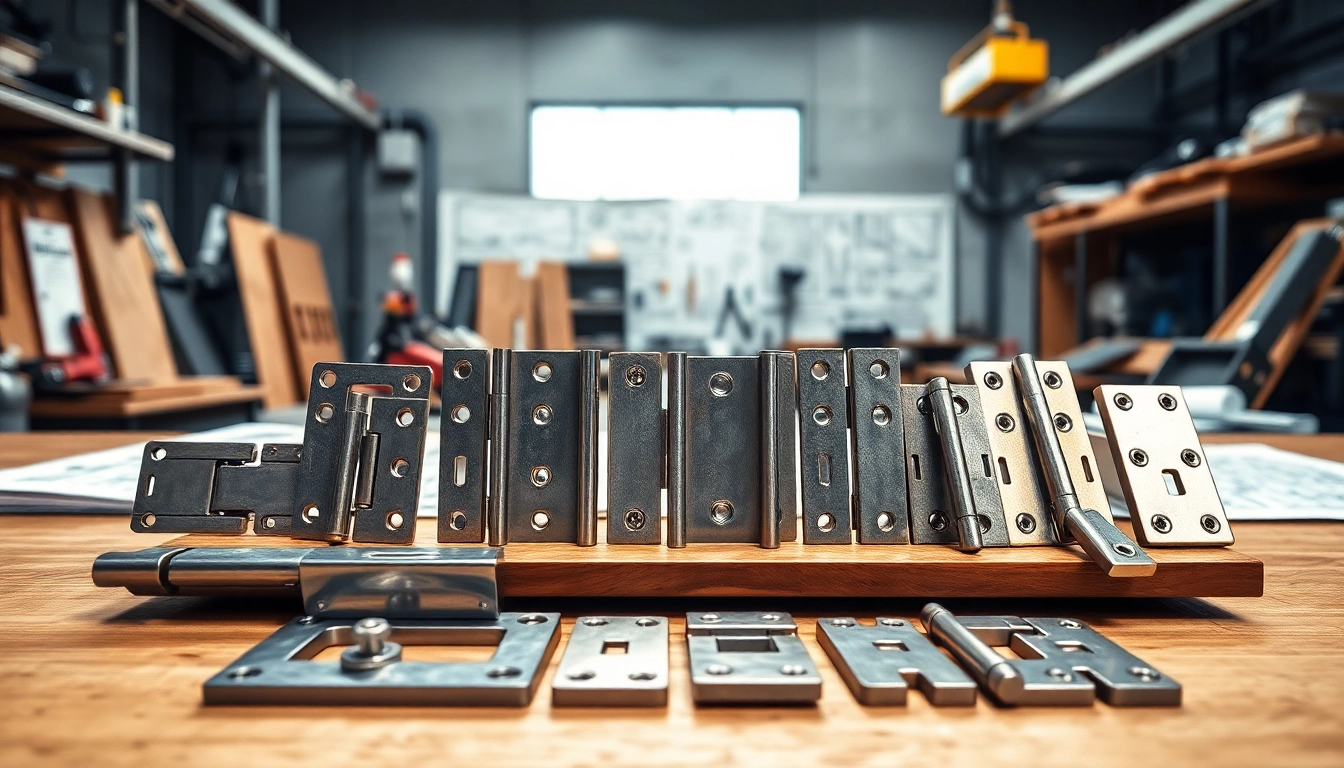
Hinge suppliers offer an extensive array of products, catering to diverse needs across multiple sectors. Some widely-used types are:
- Butt Hinges: Commonly found on doors, these consist of two rectangular plates and a pin running through them.
- Concealed Hinges: Often used in cabinet installations, they are hidden when closed, providing a clean aesthetic.
- Continuous Hinges: Also known as piano hinges, these run the entire length of the door or flap, offering excellent support.
- Spring Hinges: Designed to close doors automatically, these are ideal for high-traffic areas.
- Decorative Hinges: Available in various styles and finishes, these serve not just functional roles but also aesthetic purposes.
Understanding the range of products allows buyers to specify their requirements and choose hinges that meet their application’s demands effectively.
Evaluating Hinge Supplier Quality
The quality of hinges is paramount, as it directly affects their performance and longevity. Evaluating hinge suppliers involves assessing several key factors:
- Material Quality: High-quality materials such as stainless steel or brass are more durable and resistant to corrosion.
- Manufacturing Process: Suppliers that employ rigorous manufacturing practices often produce higher-quality hinges.
- Customer Reviews: Feedback from previous customers can provide essential insights into the reliability of the hinges and the supplier’s service.
- Warranty and After-Sales Support: A good warranty indicates the manufacturer’s confidence in their product.
Conducting thorough research and obtaining samples or detailed specifications can help ensure the quality of hinges before making a purchase decision.
Importance of Hinge Supplier Certifications
Certifications are a critical aspect of establishing the credibility of hinge suppliers. Compliance with industry standards (like ISO certifications) can validate a supplier’s commitment to producing high-quality products. Certifications often reflect:
- Quality Assurance: They ensure that products are manufactured under stringent guidelines and tested for performance.
- Sustainability Practices: Many certifications also cover environmental management standards, reflecting a responsible manufacturing process.
- Safety Standards: Compliance with safety regulations is vital, especially for industrial applications.
Therefore, ensure that any potential hinge supplier possesses relevant certifications to promote confidence in their products.
Key Factors in Selecting a Hinge Supplier
Choosing the right hinge supplier is critical not only for the quality of the product but also for the overall success of a project. Several key factors should be considered during the selection process.
Price vs. Quality from Hinge Suppliers
Price is often a significant concern when selecting a hinge supplier, but it should not be the only factor. While lower costs can seem appealing, compromising on quality can lead to increased costs down the road through replacements or repairs. Consider the following:
- Determine the budget: Establish how much you can afford to spend without sacrificing the quality.
- Evaluate the total cost of ownership: This includes not only the initial purchase price but also installation costs, maintenance, and longevity.
- Seek balance: Look for suppliers that provide a balance of both quality and affordability, ensuring the hinges meet your needs while staying within budget.
Ultimately, investing in higher quality hinges may save money over time by reducing the need for replacements.
Geographic Location of Hinge Suppliers
The geographic location of your hinge supplier can have several implications on your project, including:
- Shipping Costs and Times: Closer suppliers typically lead to lower shipping costs and shorter delivery times.
- Regulatory Compliance: Suppliers in different regions may have varying compliance standards that affect the product’s quality and legality.
- Local Support: Being in the same area allows for easier face-to-face communication, making it simpler to resolve issues.
Thus, consider both local and international options when selecting a hinge supplier, weighing the pros and cons of each based on your specific needs.
Customer Service in Hinge Supplier Selection
Strong customer service is essential when selecting a hinge supplier. Good customer support will ensure clear communication, prompt service, and a reliable resolution of issues. Key factors include:
- Responsiveness: Suppliers should promptly answer inquiries and provide assistance throughout the buying process.
- Knowledgeability: A skilled customer service team can offer insights and suggest products based on specific requirements.
- After-sales support: Ensure that the supplier provides after-sales assistance for product installation or any post-purchase issues.
Opt for suppliers with a reputation for excellent customer service, as they are likely to stand by their products and support their customers effectively.
Best Practices for Working with Hinge Suppliers
Establishing a productive relationship with your hinge supplier can lead to better product quality, service, and pricing. Following best practices can facilitate this relationship.
Building Long-term Relationships with Hinge Suppliers
Building enduring relationships with your hinge supplier can yield numerous benefits, such as priority access to new products, better pricing, and dedicated customer service. Here are some tips to cultivate these relationships:
- Regular Communication: Keep an open line of communication, discussing your current and future projects to keep them engaged.
- Provide Feedback: Offering constructive feedback can help suppliers improve their products and services.
- Be Transparent: Share your needs, timelines, and challenges to foster trust and a collaborative spirit.
Fostering these practices can help establish a mutually beneficial supply chain partnership.
Effective Communication with Hinge Suppliers
Clear and effective communication is pivotal in ensuring that the hinge supplier understands your needs. Here are strategies to enhance communication:
- Be Specific: Provide detailed specifications and requirements for the hinges you need.
- Utilize Visual Aids: Schematics and images can help clarify complex needs.
- Regular Updates: Keep suppliers informed about project timelines and changes to requirements.
Improving communication can lead to fewer errors, timely deliveries, and better overall satisfaction with the supplier.
Streamlining Orders with Your Hinge Supplier
Efficient order management can significantly impact the success of your projects. Here are ways to streamline your ordering process:
- Set Up an Ordering Schedule: Consistent ordering can help suppliers plan production and inventory better.
- Utilize Technology: Use online platforms or software for placing orders, tracking deliveries, and managing inventory.
- Bulk Orders: Plan for bulk purchases where possible to benefit from reduced prices and better lead times.
Streamlining the ordering process maximizes efficiency and can help avoid unnecessary delays.
Evaluating Performance of Your Hinge Supplier
Regularly evaluating the performance of your hinge supplier is crucial to maintaining quality in your projects. This assessment should consider multiple performance metrics.
Measuring Deliverability from Hinge Suppliers
Deliverability encompasses more than just on-time delivery; it also includes the accuracy of orders and reliability. Measurement criteria can include:
- Delivery Times: Track how often suppliers meet their promised delivery dates.
- Order Accuracy: Assess how frequently the correct products and quantities are delivered.
- Flexibility: Evaluate the supplier’s ability to adapt to changes in order size or specifications.
Continuously monitoring these factors ensures that the supplier can meet your project needs effectively.
Assessing Product Quality from Hinge Suppliers
Regular quality assessments help in maintaining high standards in your projects. Important metrics to consider include:
- Inspection and Testing: Conduct regular inspections of received products to ensure they meet specifications.
- Failure Rates: Track how often products fail or require replacement.
- Customer Satisfaction: Collect feedback from end-users regarding the performance of the hinges.
Such assessments ensure consistent quality in your supply chain.
Feedback Loops with Your Hinge Supplier
Establishing a feedback loop with your hinge supplier is vital for continuous improvement. It involves:
- Regular Review Meetings: Hold consistent meetings to discuss performance and any issues that may emerge.
- Surveys and Questionnaires: Use feedback forms to gather data from users regarding product performance.
- Actionable Insights: Make use of the feedback to implement changes in order quantities, product specifications, or timelines.
Solid feedback mechanisms strengthen relationships and improve the quality of products and services over time.
FAQs about Hinge Suppliers
What types of products do hinge suppliers provide?
Hinge suppliers offer various hinges, including stainless steel, concealed, and decorative hinges for different applications.
How do I assess the quality of a hinge supplier?
Look for certifications, customer reviews, and samples to ensure the hinges meet your quality standards.
Why is communication important with a hinge supplier?
Effective communication ensures clarity in requirements, leading to accurate orders and timely deliveries.
What factors affect pricing from hinge suppliers?
Pricing can vary based on material quality, order volume, and specific product features requested from the hinge supplier.
How can I establish a long-term relationship with my hinge supplier?
Regularly communicate, provide feedback, and be transparent about your needs to develop trust and mutual understanding.