Ultimate DeWalt Pilot Drill Bit: 2025 Tips for Precision Performance
Introduction to DeWalt Pilot Drill Bit
The DeWalt pilot drill bit stands as a stalwart tool in the arsenal of both professionals and DIY enthusiasts. Renowned for its precision, durability, and versatility, this tool is essential for creating the initial holes that guide screws and other fastening hardware into various materials. Whether you are working with wood, metal, or other composites, the DeWalt pilot drill bit can significantly enhance the efficiency and quality of your work.
What is a DeWalt Pilot Drill Bit?
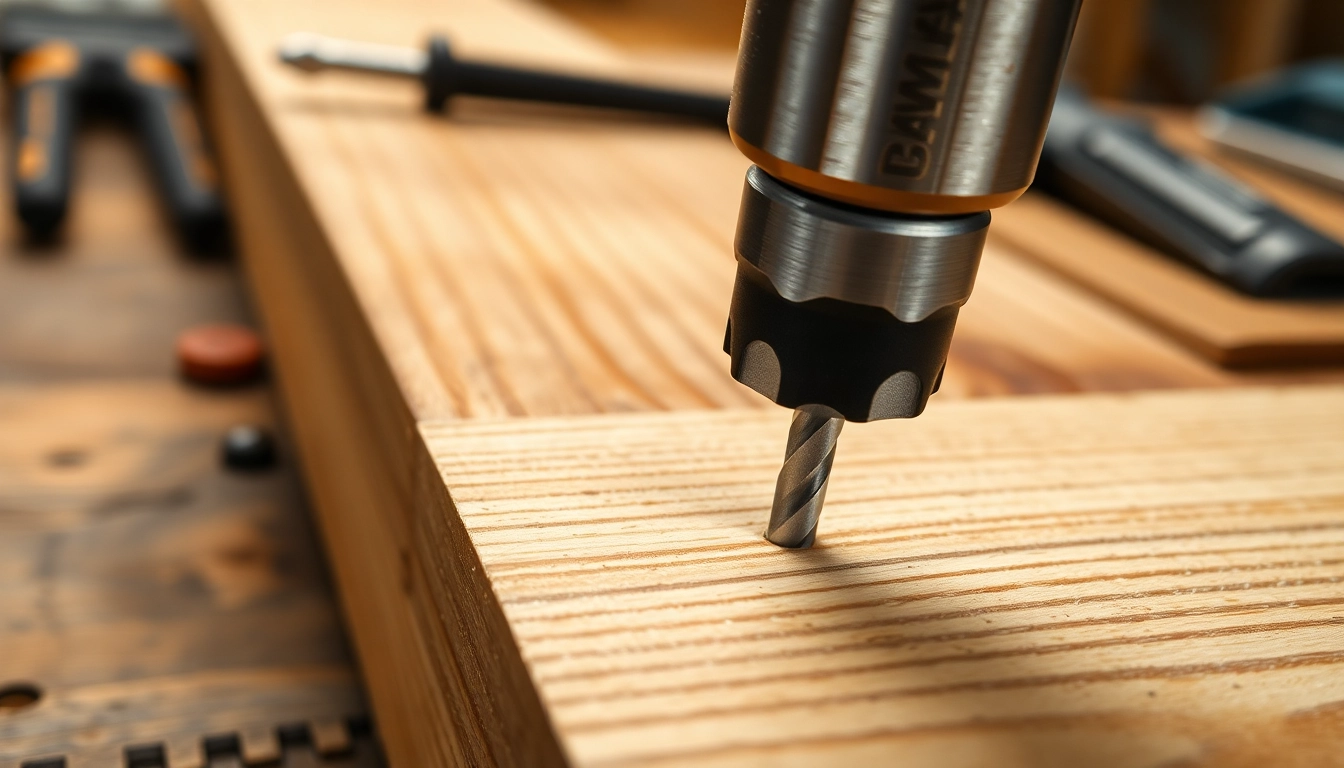
A pilot drill bit, specifically from DeWalt, is designed to create precise and clean holes before the insertion of screws or other fasteners. The drill bit features a pointed tip that helps it stay centered as it drills into various materials. This tool is crucial for applications where alignment is key, as it ensures that larger screws can be installed securely without the risk of material splitting or cracking.
Key Features of DeWalt Pilot Drill Bit
- Durable Construction: DeWalt pilot drill bits are engineered using high-grade materials that withstand wear and tear, ensuring longevity even under heavy use.
- Enhanced Sharpness: The cutting edges are precision-ground, leading to clean holes with minimal resistance, which also reduces the need for excessive force.
- Versatility: Suitable for both wood and metal, these bits can handle a variety of projects ranging from furniture assembly to construction tasks.
- Compatible Sizes: Available in several sizes, DeWalt pilot drill bits accommodate different screws and applications, providing users with the suitable option for any task.
Applications of DeWalt Pilot Drill Bit
DeWalt pilot drill bits can be utilized in numerous scenarios, which enhances their appeal among tradespeople and hobbyists:
- Furniture Assembly: Ideal for creating pilot holes in wood, facilitating the assembly of chairs, tables, and cabinets.
- Metal Fabrication: Suited for drilling into metal surfaces, enabling the creation of holes for screws in construction and automotive applications.
- Construction Projects: Essential in framing and drywall installation, where securing fasteners precisely is paramount.
Choosing the Right DeWalt Pilot Drill Bit
Selecting the appropriate DeWalt pilot drill bit for your project is crucial for achieving optimal results. Understanding specifications and applications can make the difference between a successful project and a frustrating experience.
Understanding Different Sizes of DeWalt Pilot Drill Bit
DeWalt pilot drill bits come in an array of sizes, each suited for different screw diameters and project requirements. Common sizes include 1/4″, 3/16″, and 5/32″, among others. The choice of size impacts how well the screw will fit into the hole, so accurately matching the pilot drill bit to the screw size is essential.
For instance, when working with larger screws in hardwood, a slightly larger pilot hole may be required to prevent the wood from splitting. Conversely, smaller diameter screws can work well with narrower pilot holes, enhancing grip without causing damage.
Material Considerations for DeWalt Pilot Drill Bit
The material composition of the DeWalt pilot drill bit plays a significant role in its effectiveness and longevity. The most common materials include:
- High-Speed Steel (HSS): Offers good performance on softer materials; highly effective for standard drilling tasks.
- Cobalt Steel: Contains cobalt for enhanced heat resistance, making it ideal for drilling through harder metals.
- Carbide-Tipped: Provides the sharpest tips and longest durability, suitable for tough materials like stainless steel and hardened wood.
Identifying the Right Type of DeWalt Pilot Drill Bit for Projects
Understanding the different types of DeWalt pilot drill bits can ensure that you select the right tool for your specific needs. Some notable types include:
- Standard Point: Perfect for general drilling in wood or soft metals.
- Split Point: Reduces walking on hard surfaces and allows for faster drilling speeds, ideal for metals.
- Countersink Bits: Combine piloting and countersinking in one step, particularly useful for flush screw fittings.
- Multi-Purpose Bits: Suitable for both wood and metal applications, providing versatility for various projects.
Using DeWalt Pilot Drill Bit Effectively
To maximize the performance of your DeWalt pilot drill bit, employing best practices ensures efficiency and quality outcomes across various projects.
Best Practices for Drilling with DeWalt Pilot Drill Bit
Implementing best practices can elevate your effectiveness when using a DeWalt pilot drill bit:
- Pre-Drill Holes: Always drill a pilot hole before driving screws to avoid material splitting.
- Use Proper Speed Settings: Adjust the drilling speed according to the material; slower speeds for harder materials like metal, and higher speeds for wood.
- Drill Perpendicular: Ensure your drill bit is straight to prevent irregular holes and enhance the fitting of screws.
- Apply Steady Pressure: Allow the drill bit to do the work; exert even pressure to avoid damaging the bit or the material.
Common Mistakes When Using DeWalt Pilot Drill Bit
Recognizing common pitfalls can drastically improve your results:
- Neglecting to Choose the Right Size: Using a pilot bit that is too small may lead to screws failing to grip, while too large can weaken the joint.
- Forgetting Lubrication: While drilling metal, not applying cutting oil can lead to overheating and premature wear of the drill bit.
- Failing to Clear Debris: Accumulated debris can affect the drill’s performance; periodic clearing can maintain optimal drilling speed and effectiveness.
Safety Tips for Using DeWalt Pilot Drill Bit
Safety should always be a priority when using power tools. Consider these essential safety tips:
- Wear Protective Gear: Safety glasses and gloves protect against debris and sharp edges.
- Check Equipment: Inspect your drill and bits for damage before use to ensure operational safety.
- Stabilize Work Material: Secure the material being drilled to prevent movement, which can cause accidents and injuries.
- Use the Right Tool for the Job: Ensure that the drill bit is compatible with your drill and the material to avoid injury.
Maintenance of DeWalt Pilot Drill Bit
Proper maintenance of your DeWalt pilot drill bit can significantly extend its life and performance. Adhering to specific upkeep practices is essential.
How to Clean DeWalt Pilot Drill Bit
Cleaning your DeWalt pilot drill bit should be a routine practice, especially after use in dusty environments or with various materials:
- Remove Debris: Use a wire brush to scrub any debris off the bit after use.
- Use Solvents: For more stubborn material buildup, a gentle solvent can assist in loosening debris without damaging the bit.
- Dry Thoroughly: Halting moisture accumulation can prolong the bit’s lifespan and prevent rust.
Sharpening Techniques for DeWalt Pilot Drill Bit
When your DeWalt pilot drill bit begins to dull, a proper sharpening technique can restore its cutting efficiency:
- Use a Grinding Stone: Carefully grind the cutting edges with a fine grinding stone to sharpen without removing too much material.
- Maintain Angle: Keep the original angle of the cutting edges to ensure optimal cutting performance post-sharpening.
- Test on Scrap Material: Before using on actual projects, test the sharpness on scrap to ensure effective cutting.
Storing Your DeWalt Pilot Drill Bit Properly
Proper storage of your DeWalt pilot drill bit can prevent damage and ensure readiness for future projects:
- Use a Bit Holder: A dedicated holder keeps bits secure and prevents dulling against other tools.
- Store in a Cool, Dry Place: Temperature fluctuations and humidity can negatively impact the bit’s integrity.
- Label for Easy Identification: Keeping your bits organized and labeled can enhance efficiency on the worksite.
Frequently Asked Questions About DeWalt Pilot Drill Bit
How long does a DeWalt pilot drill bit last?
The lifespan of a DeWalt pilot drill bit can vary based on the frequency of use, material type, and maintenance practices. With proper care, bits can last for many projects, but regular checking for dullness and wear is essential for optimal performance.
Can a DeWalt pilot drill bit be used on metal?
Yes, a DeWalt pilot drill bit is suitable for use on metal, particularly those designed with high-speed steel or cobalt materials that can withstand the rigors of metal drilling.
What sizes are available for DeWalt pilot drill bit?
DeWalt pilot drill bits are available in a variety of sizes, typically ranging from 1/16″ up to 1/4″ or larger, accommodating a wide range of screw sizes and applications.
Is the DeWalt pilot drill bit suitable for DIY projects?
Absolutely! The DeWalt pilot drill bit is ideal for DIY projects, offering user-friendly features that make it accessible for novices while still meeting the demands of seasoned professionals.
What materials can I use a DeWalt pilot drill bit on?
DeWalt pilot drill bits can be effectively used on a variety of materials including wood, soft metals, plastics, and even some hard metals, depending on the bit’s specific construction and sharpening.
Whether you’re a professional tradesperson or a DIY enthusiast, understanding the capabilities and proper use of the DeWalt pilot drill bit can greatly enhance the quality of your projects. For more information about tools and accessories, be sure to check out Mister Worker, where you can find an extensive range of DeWalt products to suit your needs.